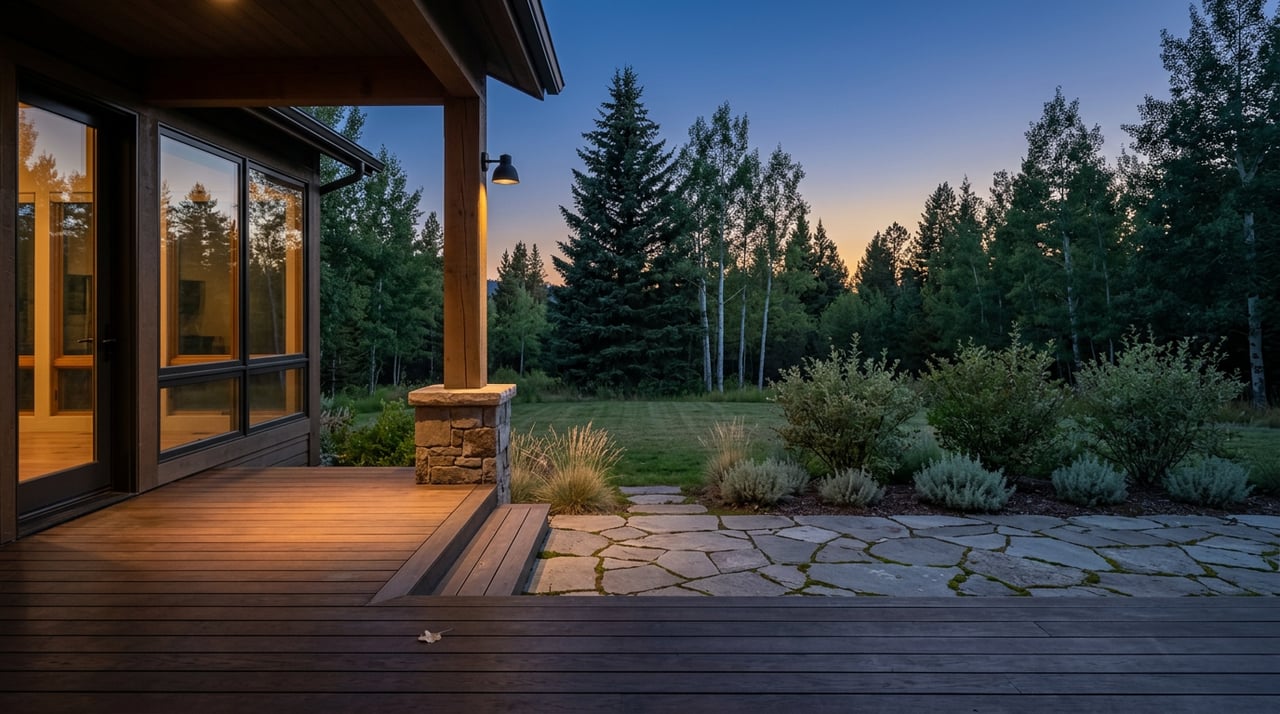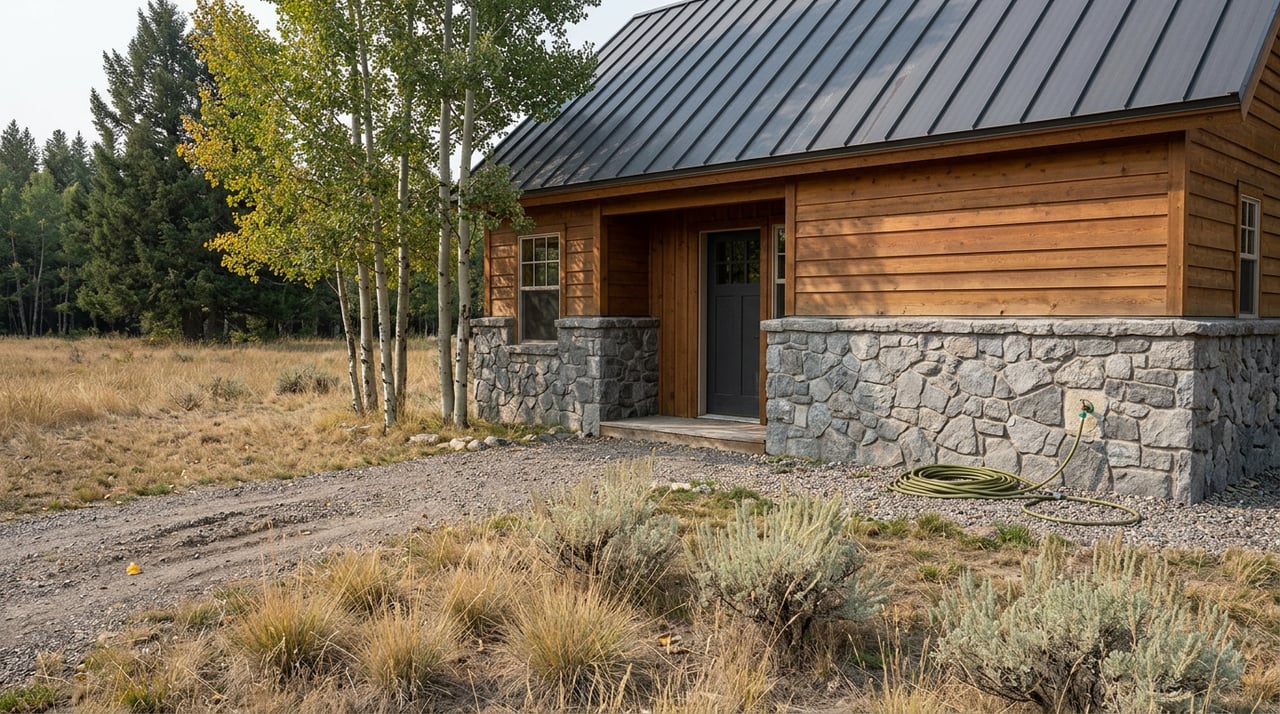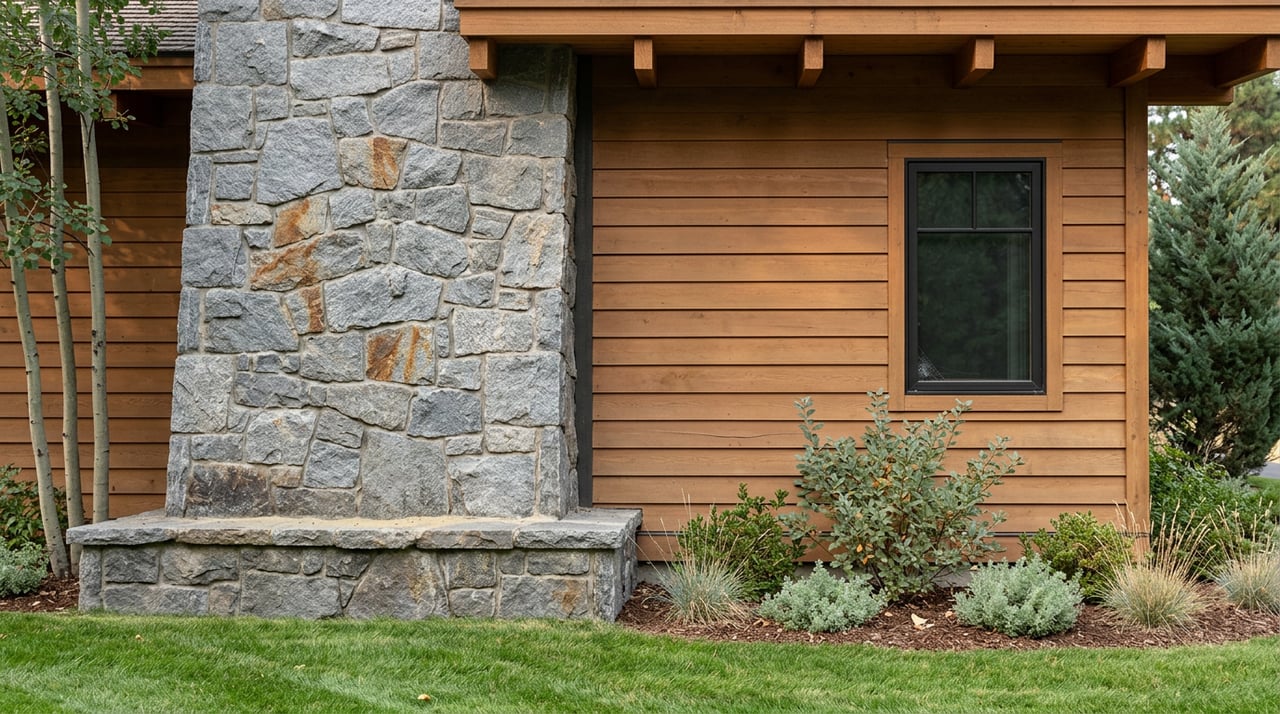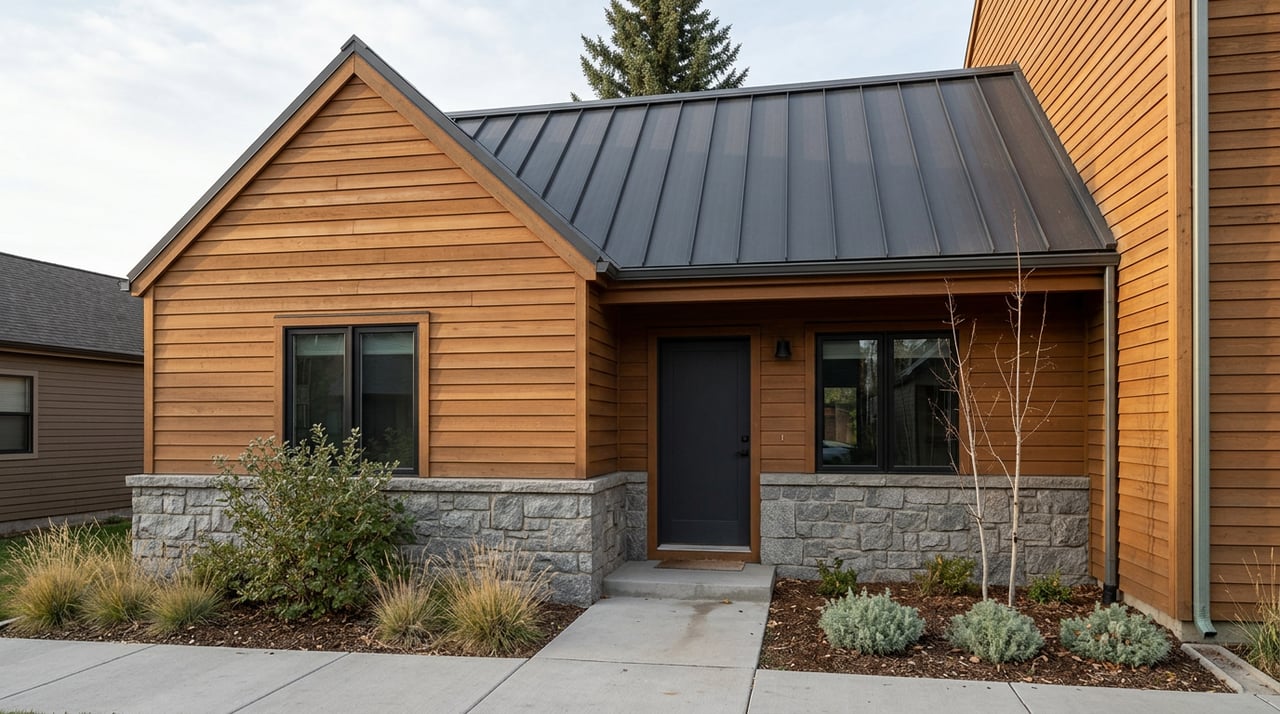
A two-bedroom condo in downtown Jackson sold for slightly under $900,000 at a time when the town's median home price had reached $2.2 million and its mean price $3.8 million, according to a 2025 HUD case study on the development. That is not a typo, and it is not a deal that slipped through the cracks. It is how the building was designed to work.
The condos are part of 440 West Kelly, a twelve-unit project built by J. Roller Development and designed by the Post Company on land the Town of Jackson itself purchased and handed over for the project. The building looks like it belongs in the neighborhood, with a cedar exterior chosen to weather in step with the houses around it. But the price gap between that condo and the town median is not an accident of timing. It is the entire point of the program, and understanding it changes how you should read every Jackson listing you come across.
Two Markets, One MLS
Jackson runs two real estate markets that share the same listing system but operate on different rules. One is the free market you already understand: buy at whatever price the market sets, sell whenever you like, to whoever you like. The other is deed-restricted workforce and affordable housing, and it looks nothing like that.
Units like the ones at 440 West Kelly carry a resale restriction limiting price appreciation to no more than 3 percent a year, a mechanism confirmed in the same HUD case study. That cap is not a suggestion. It is recorded against the deed, which means it survives the sale and binds the next owner too. The idea is straightforward: keep the unit's cost tethered to local wages instead of letting it float up with the valley's second-home market, which the same report notes has been pushing Jackson's open-market prices into the seven figures for years.
This system exists because of a structural fact about Teton County that a lot of buyers underestimate. Roughly 97 percent of the county's land is federally owned or held under conservation easement, permanently off the table for development. That scarcity is what makes Jackson's free market so expensive, and it is also the reason the town has leaned so hard on deed restrictions to keep any housing within reach of the people who work there.
The town and county set a formal target for this back in a 2012 comprehensive plan, aiming to house at least 65 percent of the local workforce within Teton County. At the time, only 62 percent did. A 2015 Workforce Housing Action Plan and a July 2018 downtown zoning update followed, both aimed at making projects like 440 West Kelly possible in the first place.
Even the newest supply is squeezing through unconventional channels. As of February 2026, the Bridger-Teton National Forest and the Jackson Hole Community Housing Trust were advancing a 36-unit affordable housing project at the Nelson Drive trailhead in east Jackson, built on Forest Service land under a special-use permit typically reserved for ski areas or summer cabins. Jackson Mayor Arne Jorgensen was careful to distinguish it from federal land-sale proposals making headlines elsewhere.
"This land, it's not an ownership transfer. It's not a lease."
The project has not gone unchallenged. A neighboring property owner sued the nonprofit and the Forest Service in an attempt to stop construction, a dispute still working through the system as of that February report.
What Actually Qualifies You to Buy One
Here is the part that matters most if you are shopping from out of state or planning to use a Jackson property as a second home. Deed-restricted units are not simply cheaper versions of the same product. They come with eligibility rules that most free-market buyers cannot clear.
According to Shelter JH, the local advocacy group that tracks these programs, occupants must work full-time in Teton County for at least a year before qualifying, and they are barred from owning residential property within 150 miles of Teton County. Applicants enter a weighted lottery, and critical service providers such as EMTs receive extra entries. Ownership units require the buyer to be a citizen, permanent resident, or DACA recipient, though rental units have no such requirement. One of the more livable quirks: owners can stay in their deed-restricted home past retirement as long as they retire at age 62 or later, the age the IRS treats as standard retirement age.
None of that describes a remote worker relocating to Wyoming for the tax benefits, or a family buying a getaway they will use six weeks a year. Those buyers are, by design, shopping in the other market.
| Free-Market Jackson | Deed-Restricted Jackson | |
|---|---|---|
| Who can buy | Anyone | Full-time Teton County workers, 1+ year employment history |
| Residency elsewhere | No restriction | Cannot own property within 150 miles of Teton County |
| Resale price | Set by the market | Capped near 3% annual appreciation |
| How you find it | MLS, open listings | Weighted lottery through the local housing department or trust |
| Typical buyer | Second-home owner, relocating professional, investor | Local employee: hospitality, healthcare, education, trades |
Why the Median You Read Keeps Changing
If you have already looked at a few Jackson market reports and noticed the numbers do not agree with each other, that is not sloppy reporting. It is the same bifurcation showing up in the data.
One tracker covering the rolling three months through May 2026 put the town of Jackson's median sale price at roughly $2.1 million, down about 6.7 percent year over year, with homes averaging 84 days on market. A separate 2026 market summary for the broader valley put the single-family median closer to $3.5 million as of the first quarter, down about 23 percent from the prior cycle's peak, while price per square foot held near $929 as of March 2026, close to an all-time high. Condos and townhomes told a different story entirely, with a median around $1.125 million to $1.2 million, up roughly 18 percent year over year, moving faster at about 125 days on market compared with 157 for single-family homes. Active valley-wide inventory ran near 291 listings, up about 16 percent year over year.
None of those figures include deed-restricted sales, because those units rarely trade on the open market at all. They move through lottery drawings and nonprofit intake forms, not MLS bidding wars. So when you see a low headline median or a suspiciously affordable listing, the deed-restricted market is not pulling that number down. It simply is not counted. The actual explanation for wide price swings is a mix of shifting inventory composition between the town core and outlying valley estates, plus the ordinary noise of a market with a small number of closings each month.
The Town Is Actively Enforcing the Line
This is not a theoretical distinction. Jackson has spent 2026 in court over it. In March 2026, the town sued a business owner over an alleged illegal Airbnb operating inside a deed-restricted unit. Separately, the town filed suit against a developer, Jeff Neishabouri, over alleged deed-restriction violations at a property on East Broadway Avenue, a dispute unfolding alongside his push for a new mixed-use project nearby as of July 2026.
Downtown development pressure has only sharpened the stakes. A newly scrutinized 2-for-1 density bonus policy lets developers build larger buildings in exchange for including deed-restricted units, the same tool used by the Loop apartment project, and a proposed Pearl Avenue development is seeking to use it to more than quadruple its allowable size, according to July 2026 reporting. Every one of these fights turns on the same basic question: does this unit serve the workforce it claims to, or is someone quietly treating it as free-market inventory.
What This Means When You Are Actually Touring Listings
If a Jackson property looks priced well below what you expected for the location, do not assume you found a gap in the market. Ask the listing agent directly whether the unit carries a deed restriction, and if so, what category it falls under and what employment or residency requirements attach to it. A property that is deed-restricted is not a workaround for a second-home buyer, no matter how good the price looks on paper.
For buyers who genuinely qualify, meaning full-time local employment and no property elsewhere within 150 miles, these programs represent one of the only realistic paths to ownership in a county where 97 percent of the land will never be built on. For everyone else, the free-market side of Jackson is still there, still expensive, and still the market the headline numbers actually describe.
A Few Questions Worth Asking Before You Get Attached to a Listing
Can a remote worker or second-home buyer qualify for a deed-restricted unit? No. Programs require full-time employment within Teton County and restrict owners from holding residential property within 150 miles of the county.
Do deed-restricted homes ever resell to the general public? They can resell, but only to another qualified buyer, and the price is capped near 3 percent annual appreciation regardless of what the free market is doing around it.
How would I even know if a listing is deed-restricted? It should be disclosed, but confirm directly with the listing agent and ask to see the recorded deed restriction itself before you get attached to a price.
Jackson's market rewards buyers who understand which side of this line a listing sits on before they fall for the number. If you are weighing a move into Sublette County, Jackson, or the corridor between them, Janelle Villalba can help you read a listing the way someone who works this market every day reads it. Start Building Your Legacy, get a free home valuation, and let's talk through what your money actually buys before you make an offer on either side of that line.