If you are trying to picture what it feels like to live in Pinedale, the first thing to know is this: Pinedale is not a place where neighborhood lines always show up neatly on a map. Instead, the town is shaped by its historic core, residential street corridors, park access, and the quick transition from in-town living to larger rural parcels. If you are planning a move here, understanding those patterns can help you choose a home that fits your lifestyle and long-term goals. Let’s dive in.
How Pinedale neighborhoods really work
In Pinedale, buyers often get more useful insight from zoning patterns and street corridors than from formal neighborhood names. The Town of Pinedale notes that the community changes quickly from block to block because right-of-way widths vary and many streets still do not have sidewalks or curbs.
That means one area may feel more compact and walkable, while another nearby street may feel quieter, more open, or more rural. As a buyer, it helps to look beyond listing photos and think about how each pocket of town functions day to day.
Downtown Pinedale and the historic core
Downtown Pinedale has the clearest sense of place in town. The town’s design guidelines describe it as earthy and rugged, with wood, local stone, sidewalk awnings, and simple false fronts that reflect a Western character.
The same guidelines note that the most distinctive buildings fit American West, American Roadside, or Contemporary Western styles. For buyers, that means the downtown and historic core can offer a more established setting with a recognizable streetscape and a pedestrian-scaled feel.
What housing looks like downtown
The historic developed area is reflected in the R-2A district. This district allows single-family homes, up to two-unit multifamily dwellings, accessory dwelling units on single-family lots, and certain civic uses.
With a 6,000-square-foot minimum lot size, the pattern is more compact than what you might expect in a spread-out suburban setting. If you want to be close to the center of town and prefer a neighborhood with older roots and more flexibility in housing types, this area may be worth a closer look.
In-town residential streets and home choices
Outside the historic core, many buyers will focus on Pinedale’s established in-town residential areas. The main residential zones are R-1 and R-2, and they help explain why the town still feels mostly like a detached-home market.
R-1 is intended for low-density residential development and requires at least 6,000 square feet of lot area with 50 feet of frontage. R-2 allows single-family homes as well as multifamily dwellings up to four units, with added lot-area requirements for additional units.
Current ACS-based housing data show that 82% of Pinedale housing units are single-unit structures, and 66% of occupied units are owner-occupied. In practical terms, that means many buyers shopping in town will still see detached homes as the most common option.
Where more flexible housing appears
Some parts of town allow more variety than others. In the more flexible residential districts, you may find duplexes, smaller multifamily properties, or homes with accessory dwelling unit potential.
Pinedale also has an R-4 district for medium-density multifamily housing. That does not make the town feel apartment-heavy, but it does mean buyers can find a wider range of housing setups depending on location, lot size, and zoning.
Larger lots on the edge of town
If you want more breathing room, the outer parts of town may stand out. The R-S suburban residential district is designed to preserve low residential densities and requires 15,000 square feet of lot area and 100 feet of width at the front setback line.
That larger-lot pattern creates a different feel from the compact town center. It can feel more open, less dense, and closer to the rural landscape that draws many people to Sublette County in the first place.
Why the town edge feels different
The R-S district also allows large domestic animals at a rate of one per full acre, up to two per lot. That rule helps explain why some edge-of-town properties feel more like a bridge between neighborhood living and rural land.
For buyers who want a little more space without moving far from town services, these areas can offer a middle ground. You may still be near Pinedale amenities while enjoying a setting that feels less compact.
Rural property outside town limits
Step outside the town boundary, and lot sizes increase quickly. Sublette County zoning includes Rural Residential districts with 10-acre and 20-acre minimums, rural residential mobile-home districts with 5-, 10-, and 20-acre minimums, and A-1 agricultural land at 35 acres.
The county’s 2025 A-1 interpretation policy also states that parcels of 80 acres or more are subject to a one-dwelling-per-35-acres standard. For buyers looking at horse property, recreational land, or a more private mountain-market lifestyle, these county rules matter just as much as the house itself.
Utility planning matters outside town
One major difference between in-town and out-of-town property is utility service. Properties inside the town boundary can connect to town water and sewer, while properties outside the boundary generally can do so only if they are annexed or already covered by an existing service agreement.
That can affect cost, maintenance, and your long-term plans for the property. If you are comparing an in-town home with a rural parcel, this is one of the most important practical differences to understand early.
Parks and amenities that shape buyer demand
Neighborhood feel in Pinedale is tied closely to parks and public amenities. The town maintains more than 100 acres of parks, including American Legion Park, Boyd Skinner Park, Burzlander Park, Split Diamond Park, Trails Creek Park, and the Dudley Key Sports Complex.
Wrangler Park sits across from the Sublette County Library, and Trails Creek Park is near the Split Diamond Subdivision. These features can make certain residential pockets feel more park-oriented and give buyers more ways to compare one area with another.
Areas with stronger connections
Pinedale’s pathway planning offers another clue about which parts of town may feel more connected. A town pathway connectivity project focused on links between Boyd Skinner Park, Dudley Key Sports Complex, the elementary school, Fox Willow Drive, and Pine Street.
For buyers, that suggests south-central and park-adjacent corridors may offer stronger everyday connections between homes, parks, and community destinations. Since sidewalk and curb coverage varies around town, these connected areas may stand out if ease of movement matters to you.
The home styles buyers may see most
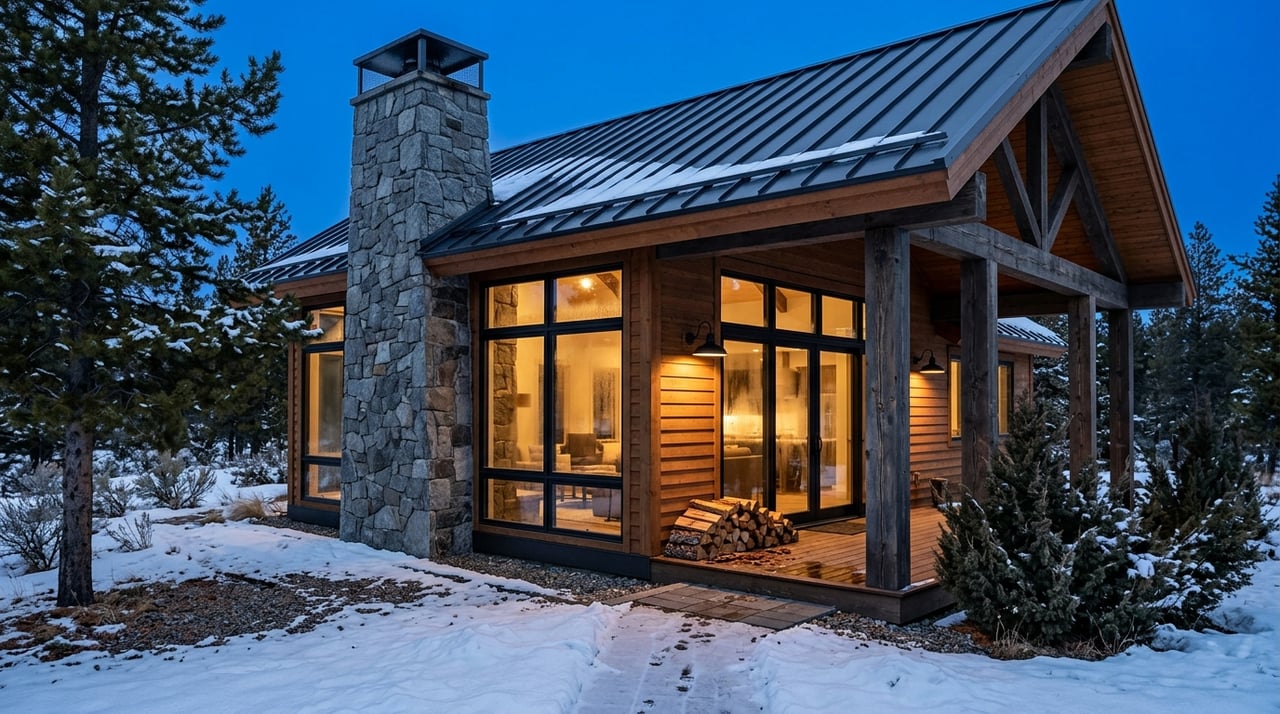
Pinedale does not fit one single architectural mold, but a few patterns show up clearly. In and around downtown, you are more likely to notice buildings shaped by the historic Western character described in the town’s design guidelines, including simple false fronts, wood materials, and local stone details.
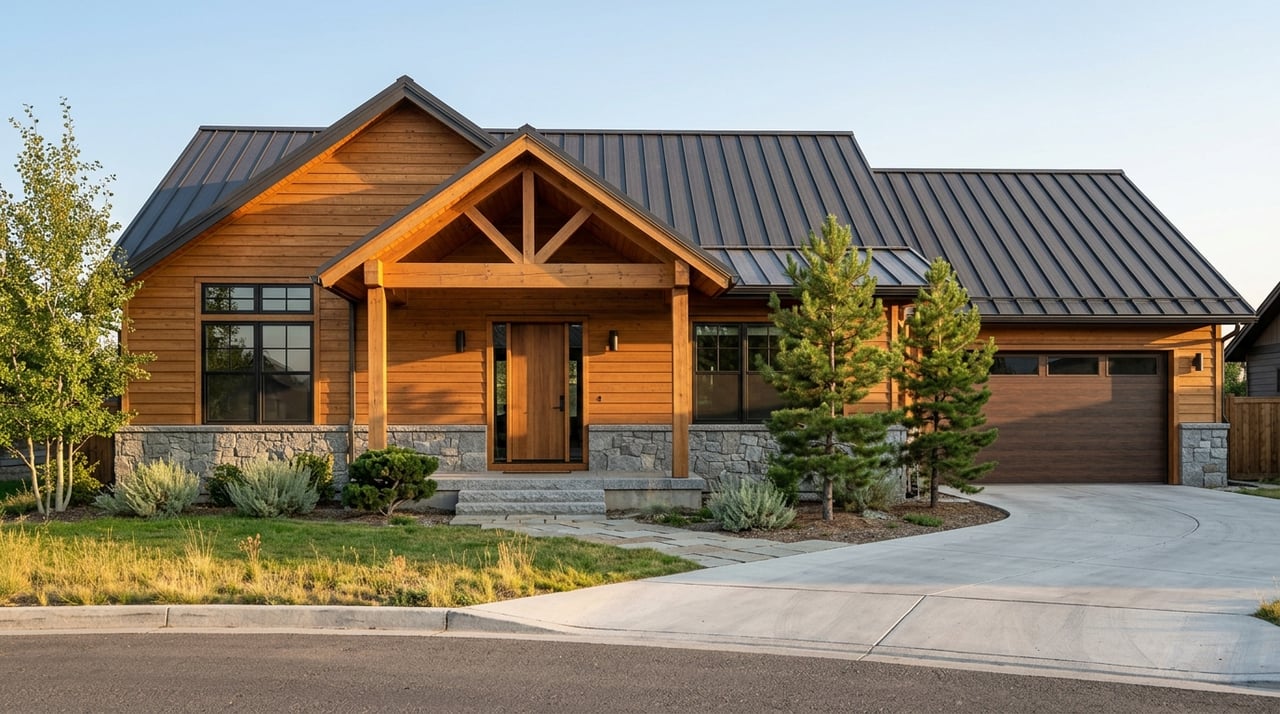
In established residential areas, the most common home type is still the detached single-family house. Because single-unit structures make up 82% of housing units, buyers are likely to spend much of their search comparing lot size, street feel, access to parks, and distance from downtown rather than choosing between dramatically different urban housing formats.
Matching home style to lifestyle
Your best fit may depend less on a named neighborhood and more on how you want to live.
- If you want a more established setting and easier access to the town center, the historic core and nearby in-town streets may be a good fit.
- If you prefer a traditional detached home in a residential setting, R-1 and R-2 areas will likely make up much of your search.
- If you want more elbow room, edge-of-town areas with larger lots may offer the balance you need.
- If you want acreage, privacy, or space for rural use, county property outside town may align better with your goals.
Why Pinedale appeals to so many buyers
Pinedale’s setting is a major part of its appeal. Visit Pinedale describes the town as a gateway to the Wind River Range, Bridger-Teton National Forest, the Upper Green River, and Fremont Lake.
The town also sits in a high alpine valley at 7,175 feet and is surrounded by the Wind River Range, Wyoming Range, and Gros Ventre Mountains. Add in local amenities like the Museum of the Mountain Man, Pinedale Aquatic Center, Rendezvous Meadows Golf Course, and the Sublette County Ice Arena, and you can see why buyers often weigh lifestyle just as heavily as square footage.
How to narrow your search in Pinedale
A smart Pinedale home search starts with your daily routine and land-use priorities. Ask yourself whether you want to be closer to downtown, parks, and established streets, or whether you would rather trade proximity for larger lots and a more rural setting.
It is also worth thinking ahead. If future flexibility matters, zoning, lot size, utility access, and the transition between town and county land can all shape how a property works for you over time.
Buying in Pinedale is not only about finding a house. It is about finding the right mix of location, lifestyle, and property type for the way you want to live in Sublette County. If you want help sorting through in-town homes, edge-of-town properties, or rural acreage, Janelle Villalba can help you build a clear plan and move forward with confidence.
FAQs
What are the main neighborhood types in Pinedale for buyers?
- Pinedale is best understood through its historic downtown core, established in-town residential streets, larger-lot edge-of-town areas, and rural county land just outside town limits.
What home styles are most common in Pinedale, Wyoming?
- Detached single-family homes are the most common housing type in Pinedale, while some areas also include duplexes, small multifamily properties, and homes with accessory dwelling unit potential.
What is the difference between in-town and rural property near Pinedale?
- In-town property is generally more compact and can connect to town water and sewer, while rural property outside town usually has much larger minimum lot sizes and different utility considerations.
Which parts of Pinedale feel more connected to parks and amenities?
- Areas near parks such as Boyd Skinner Park, Trails Creek Park, Split Diamond Park, and the Dudley Key Sports Complex, along with corridors near Fox Willow Drive and Pine Street, may feel more connected based on town park and pathway planning.
Is downtown Pinedale a good place to look for homes?
- Downtown and the historic core may appeal to buyers who want a stronger sense of place, a more established streetscape, and a compact town-center pattern with a Western design character.
Why do some Pinedale neighborhoods feel different block to block?
- The Town of Pinedale notes that right-of-way widths vary and many streets still lack sidewalks or curbs, which can make the feel of different corridors change quickly within town.