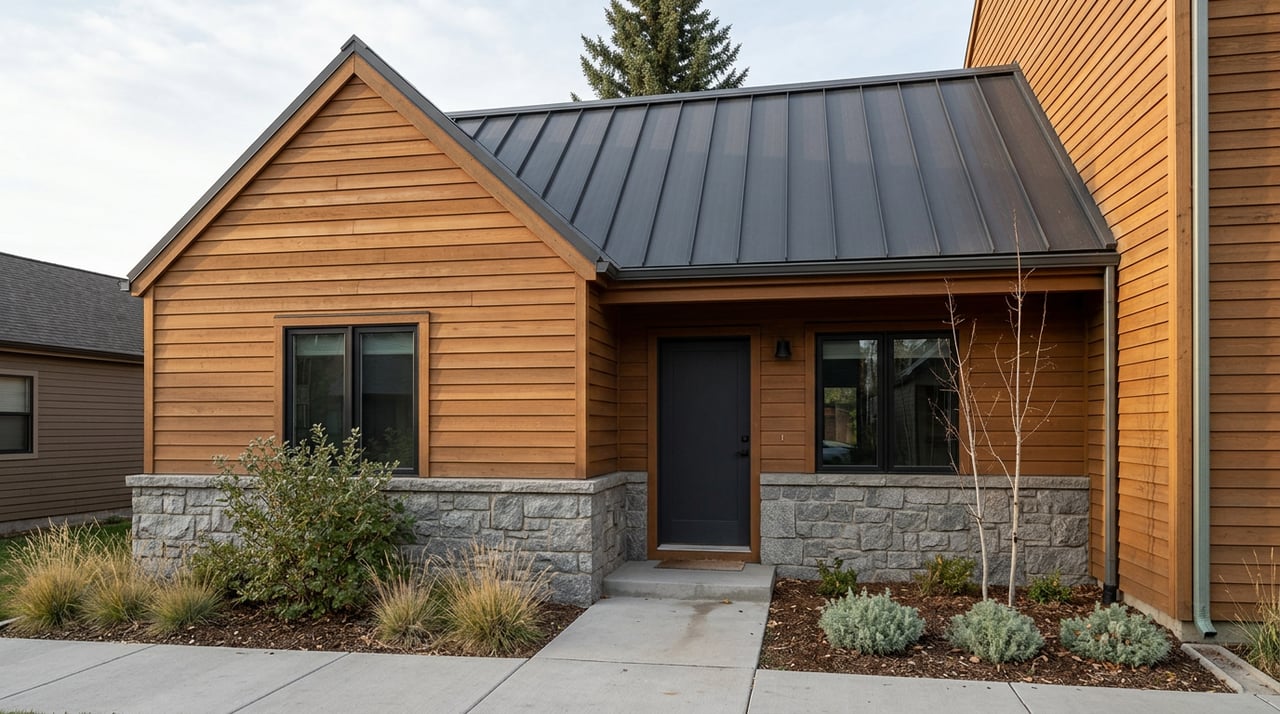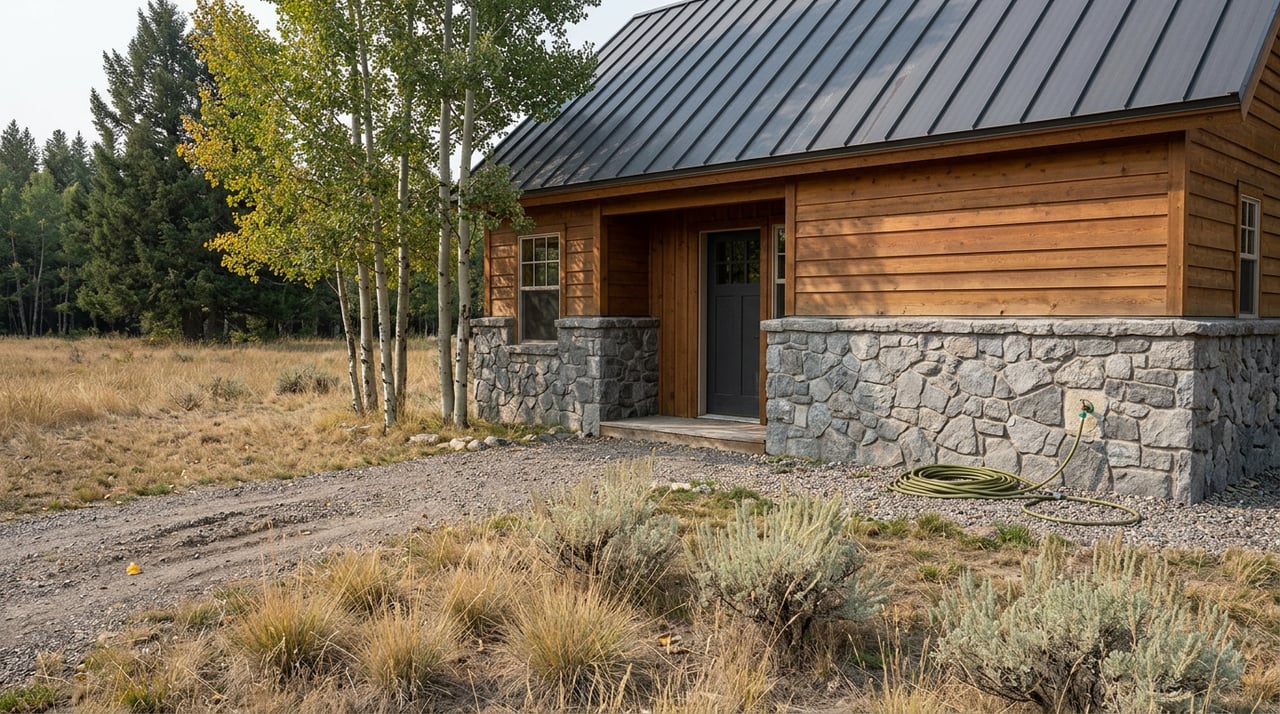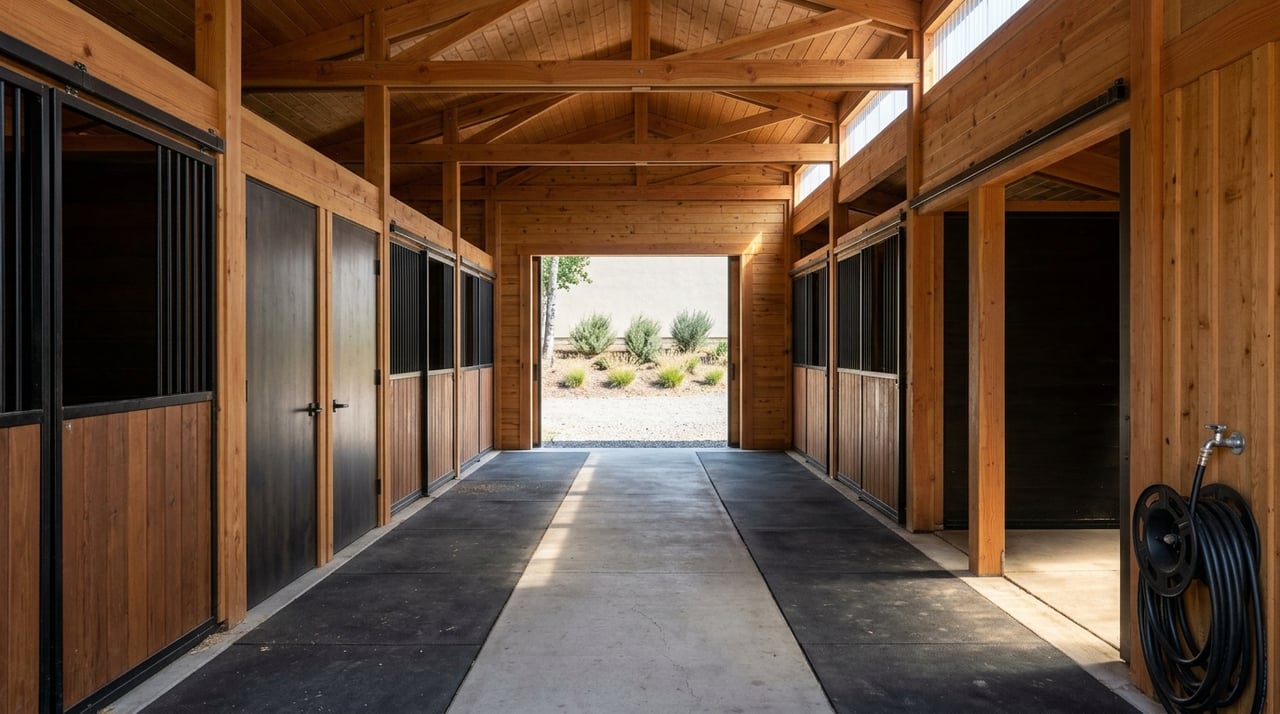
Selling a horse property in Bondurant is not like listing a standard home. Buyers are looking at the house, of course, but they are also quietly evaluating fencing, water, turnout, shelter, and whether the land feels workable from day one. If you want your property to stand out and inspire confidence, a little preparation can go a long way. Let’s dive in.
What Bondurant horse-property buyers notice first
When buyers tour a horse property, they usually start with function. They want to see safe fencing, a usable barn or shelter, reliable water access, and a layout that supports how the property might actually be used.
That first impression starts before they ever step inside the home. The driveway approach, pasture condition, barn area, gates, and riding spaces all help shape whether the property feels cared for and practical. Staging and curb appeal matter here just as much as they do in a traditional listing, but on a horse parcel, your land improvements are part of the story.
Start with the approach and overall presentation
The first 30 seconds matter. If a buyer pulls in and sees clutter, sagging gates, muddy access points, or scattered equipment, they may start to worry about deferred maintenance before they even reach the front door.
A cleaner approach helps buyers focus on the property’s strengths. Mow where appropriate, manage weeds, clear scrap piles, tidy parking areas, and make the route from the road to the home and barn feel open and intentional.
Make horse use easy to picture
Buyers respond well when the property’s horse setup is obvious. If you have turnout areas, shelter, barn storage, stock-water access, an arena, or a round pen, make those features easy to see in person and in photos.
You do not need a perfect showplace. You do need a setup that looks functional, safe, and understandable at a glance.
Focus on repairs that signal good care
Before you spend money on major upgrades, take care of the issues buyers will notice right away. Horse-property buyers tend to be practical, and visible maintenance issues can quickly raise questions about the rest of the property.
In Bondurant and greater Sublette County, this matters even more because rural buyers often expect to manage land and structures themselves. If the obvious items have already been handled, your property feels easier to own.
Repair fencing and gates first
Fencing is one of the first things horse buyers inspect. Broken boards, loose posts, hanging wire, and gates that do not latch properly can make the property feel less safe and less ready for immediate use.
Walk every fence line before you list. Fix the sections that stand out, replace damaged boards where needed, and make sure gates open and close cleanly.
Clean barns, sheds, and storage areas
A neat barn shows better than a packed one. Swept stalls, organized tack areas, tidy hay storage, and a clear path around outbuildings help buyers picture their own routines on the property.
This step also improves listing photos. Clean, open spaces tend to feel more useful, and buyers can better understand scale when tools, bins, and loose materials are put away.
Address visible water and structural issues
If you have leaking hydrants, muddy high-traffic areas, or obvious roof concerns, move those items up your list. Buyers may not know every detail of a rural property at first glance, but they do notice signs that systems are not performing well.
Sublette County notes that it has not adopted a residential building code, but it still expects structures to be safely designed and strongly encourages designs that accommodate local snow load. If you are making structural repairs to barns, sheds, or other improvements, keep that local reality in mind.
Improve pasture presentation before listing
Pasture condition plays a big role in how usable a horse property feels. Even buyers who plan to manage the land differently are still reacting to what they see today.
Thin grass, heavy mud, and overgrazed ground can make a property feel harder to manage. A more even, rested appearance helps buyers see potential and day-to-day function.
Aim for a rested, tidy look
Colorado State University Extension notes that continuous grazing often leads to overgrazing and recommends waiting until grass reaches about 6 to 8 inches before grazing, then resting the pasture once it is grazed down to 3 to 4 inches. You may not be able to reshape the whole pasture program before listing, but you can improve how the land presents.
If possible, avoid having animals graze every visible area right up to showing day. Rested sections, trimmed edges, and reduced mud around gates and water points can make the property feel more balanced and usable.
Prioritize high-visibility areas
You do not have to perfect every acre to make a strong impression. Focus first on the areas buyers will notice most, such as:
- Entry drive and parking areas
- Front pasture views
- Fence lines near the home
- Barn surroundings
- Arena, round pen, or turnout spaces
- Water access points and stock tanks
These are the places that help shape the buyer’s emotional and practical response.
Verify land-use details before buyers ask
Rural properties often come with more moving parts than in-town homes. Before you list, take time to confirm what is deeded, what is permitted, and what may depend on county or state approval.
This helps you market the property accurately and answer buyer questions with confidence. It also reduces the chance of surprises once a serious buyer starts due diligence.
Review zoning, permits, and access
Sublette County Planning and Zoning handles land use, zoning, subdividing, building permits, septic systems, and rural addressing. The county also notes that zoning districts can be reviewed on its GIS map.
The county states that driveway access from a county road may require a separate access permit, easements are the owner’s responsibility, and well permits are issued by the State of Wyoming. If your parcel is in mapped Greater Sage-Grouse habitat, development may also be subject to state requirements.
Separate deeded features from approvals
This is one of the most important steps for a rural seller. Be clear about what the property includes today versus what might require a future application, transfer, or approval.
For example, a buyer may ask about road access, future building options, water use, pasture use, or whether adjacent public land affects the parcel. Clear documentation and clean answers build trust.
Gather water-right and grazing documents early
Water is not a side note on a Wyoming horse property. If your parcel has water rights, wells, springs, reservoirs, or irrigated ground, buyers will want details.
The Wyoming State Engineer’s Office says water rights are property rights that transfer with the sale of the property they are attached to. The office also notes that when records need updating, proof of land ownership such as a deed may be required, and certain changes to wells, springs, or place of use can require state approval.
What to pull together before listing
If these items apply to your property, gather them early:
- Deeds
- Water-right records
- Well permits
- Reservoir assignments
- Maps showing points of use
- Records showing how water reaches pasture, barn, or stock tanks
Having this material ready can make your listing package stronger and help serious buyers move forward with fewer delays.
Be precise about grazing arrangements
If the property relies on anything beyond deeded pasture, be careful not to oversimplify. Public-land grazing arrangements or separate lease situations should be described accurately and clearly.
In practical terms, your marketing should distinguish between deeded pasture, deeded pasture plus a private lease, or a separate public-land grazing arrangement. That distinction matters to buyers evaluating long-term use.
Choose improvements with the best return
If you may sell within the next 12 months, prioritize improvements that improve confidence and presentation without overcustomizing the property. National Association of REALTORS data shows that agents commonly recommend painting and roofing work before listing, and that curb appeal improvements remain a top priority.
For a Bondurant horse property, the best return often comes from visible repairs and reliable systems rather than expensive specialty upgrades. A buyer is more likely to value a property that feels well maintained than one with a highly customized improvement that may not match their plans.
Smart pre-listing updates
Consider these practical, high-impact items:
- Paint areas that look tired or weathered
- Patch or repair roof issues
- Refresh the front entry if it looks worn
- Pressure wash surfaces that need it
- Add fresh bedding if stalls will be photographed
- Clear visual clutter from barns and outbuildings
- Repair water leaks and drainage trouble spots
These updates help the property feel ready without overspending.
Skip costly niche upgrades unless the buyer pool supports them
A brand-new arena surface or a premium custom barn finish may sound appealing, but those projects do not always return their full cost. In a niche market, it is wise to weigh any major investment against the likely buyer pool.
In many cases, it is better to present a clean, functional, honest property than to chase a high-end feature only a small group of buyers will value.
Show stewardship, not just acreage
Many rural buyers are not only buying land. They are buying a way of life and a level of responsibility. If you can show that the property has been managed thoughtfully, that can add credibility to your listing.
The Sublette County Conservation District says it can help develop conservation plans, including grazing plans and wildlife management plans. If you already have documentation like this, it may help support a stronger presentation of the property’s ongoing care.
Why preparation matters in Bondurant
Bondurant buyers are often looking for a mix of practicality, lifestyle, and long-term value. They may be comparing your property against other rural listings in Sublette County or weighing it against opportunities tied to the broader mountain and resort corridor.
That means your property needs to feel both functional and well represented. The more clearly you can show safe horse setup, usable land, documented water information, and a cared-for overall presentation, the easier it is for buyers to see the opportunity.
If you are thinking about selling your Bondurant horse property, thoughtful preparation can help you protect value and attract the right buyer from the start. When you are ready for a local, detail-focused plan, connect with Janelle Villalba for guidance tailored to your property and your goals.
FAQs
What should sellers fix first on a Bondurant horse property?
- Start with safety and visible maintenance issues such as fencing, gates, latches, water leaks, muddy access points, and obvious barn or roof concerns.
What do buyers look for in a horse property in Bondurant?
- Buyers usually notice safe fencing, barn or shelter usability, water access, turnout layout, and whether the property’s horse features are easy to understand and use.
Do water rights transfer with a horse property sale in Wyoming?
- The Wyoming State Engineer’s Office says water rights are property rights that transfer with the sale of the property they are attached to.
Should sellers gather well permits and water records before listing a Bondurant property?
- Yes. If your property has wells, water rights, reservoirs, or irrigated ground, having records ready can help answer buyer questions and support a smoother transaction.
What land-use details should Bondurant sellers verify before listing?
- Review zoning, driveway access, easements, septic-related records, rural addressing, and whether any development limits or approvals may apply through Sublette County or the State of Wyoming.