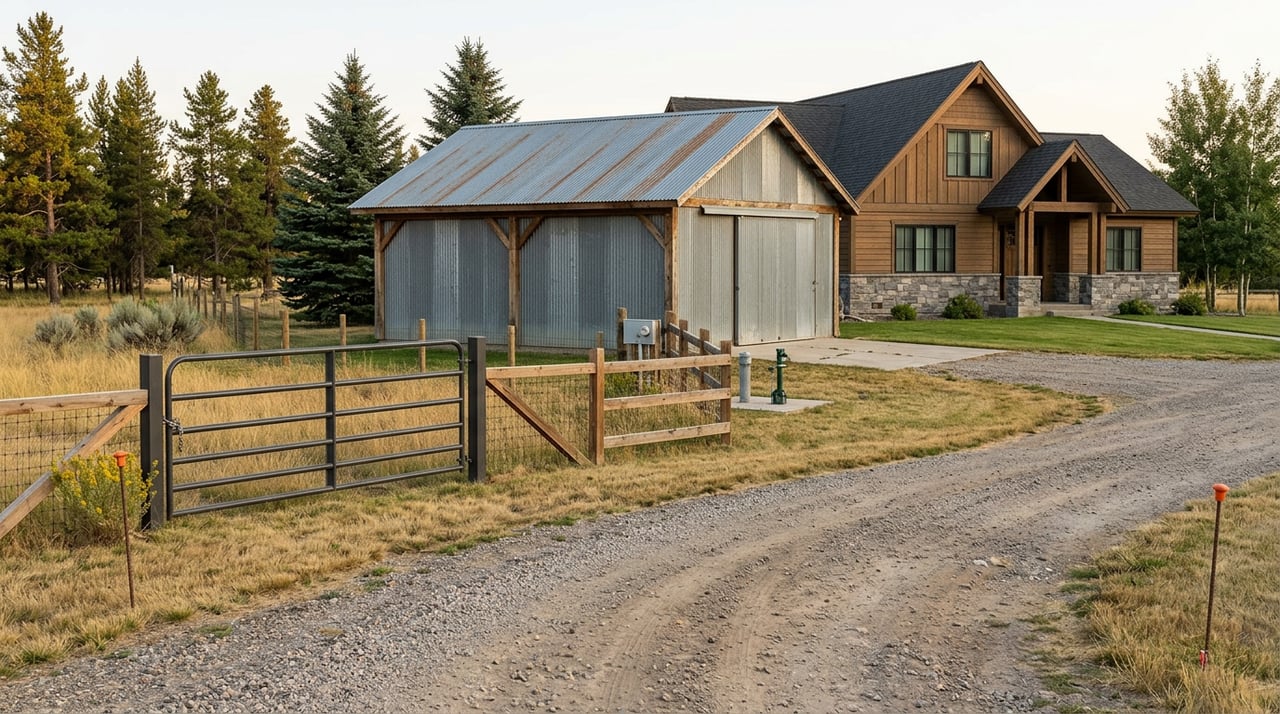
Thinking about selling your acreage or small ranch near Daniel? In a place where the buyer pool is small and public land access shapes demand, a clear plan makes all the difference. You want to price with confidence, present clean documents, and reach the right buyers without wasting time. This guide shows you how to prepare, how features like water rights and access affect value, and how to market for real results in Sublette County. Let’s dive in.
Know the Daniel market
Daniel sits in the Upper Green River Valley with a very small local population. That means your pool of nearby buyers is limited, and interest often comes from ranch operators, recreational buyers, and out-of-area investors who value scenery and access to public lands. You can use basic place data to orient buyers and highlight proximity to Pinedale and federal lands. For a quick local snapshot, review the Daniel profile on Census Reporter to set context in your marketing packet. Census data for Daniel, WY
Public land surrounds much of Sublette County. The BLM Pinedale Field Office and Bridger-Teton National Forest administer extensive nearby lands, and many ranch operations integrate BLM or USFS grazing allotments. Adjacency to public land can increase interest for both grazing and recreation, but it can also introduce permitting considerations that some buyers will want to evaluate. BLM Pinedale Field Office
Sublette County also has a long history with natural gas development in the Jonah Field and Pinedale Anticline. Mineral ownership or leases can shape buyer interest and valuation, so be ready to disclose anything recorded on title.
Finally, land value benchmarks matter. USDA/NASS surveys show Mountain Region land values have generally trended upward in recent years, with irrigated ground and productive pasture pricing very differently from dry rangeland. Use state-level NASS figures only as a benchmark and separate irrigated from upland acres in your comps. USDA/NASS land values summary
Gather the right documents
Getting your documentation tight before you list builds trust and can shorten time on market. Buyers for acreage and small ranches expect a thorough packet.
Title, survey, and boundaries
- Pull recorded deeds, easements, and plats from Sublette County records. A clean chain of title increases buyer confidence.
- If your survey is older than about ten years or if fences do not match deed lines, order a new boundary survey from a Wyoming-licensed land surveyor. Long fence lines are not a substitute for a legal survey in Wyoming.
- Include stamped plats in your packet and call out any recorded covenants or restrictions. Sublette County helpful information
You can also use the county GIS for maps, parcels, and flood overlays for your brochure and data pack. Sublette County GIS map server
Minerals and energy leases
Severed mineral estates are common in Wyoming. If minerals were previously reserved or if an oil and gas lease exists, it can affect value, title insurance, and a buyer’s risk tolerance. Obtain a current title commitment and disclose leases or reservations early. Wyoming courts treat severed mineral estates as distinct interests, so clarity matters. Wyoming mineral severance precedent
Water rights and wells
Wyoming follows prior appropriation. Buyers will expect to see surface water permits, points of diversion, stock-water rights, and proof of beneficial use for irrigated acres or stock water. Gather permit and certificate numbers and match them to your legal description. Overview of Wyoming water law
For wells, include well logs, pump tests if available, and permit numbers. The State Engineer’s Office keeps well and surface water records and provides e-Permit search instructions you can use before listing. State Engineer e-Permit and search
Access and roads
Document how you reach the property. Note whether access is via a county or state road, or by private easement. If driveways connect to a county road, provide copies of any access permits. If access relies on private roads, assemble recorded easements and any written maintenance agreements. Unclear or poor access can reduce buyer interest and complicate financing. County access and permit guidance
Grazing, fences, and outbuildings
If your operation uses BLM or USFS grazing allotments, include permit numbers and field office contacts. Buyers may need time in the contract to evaluate the preference and season dates. BLM Pinedale Field Office
Check fence locations against the survey and note condition. Wyoming functions largely as a fence-out state for cattle, and buyers for working ranches often expect serviceable cross-fencing, gates, and a sensible load-out. For wildlife-friendly fence ideas and terminology used locally, see this landowner guide. Fences and wildlife guide
Provide a simple condition summary for barns, hay sheds, corrals, electrical, and water systems. Buyers discount for major structural or electrical needs, so upfront detail helps you defend price.
Septic and utilities
If you have a septic system, include permits or a recent inspection. Sublette County has specific septic permitting requirements and setbacks, and systems in floodplains or areas with high water tables need special attention. Sublette County septic guidance
Environmental overlays
Parts of Sublette County fall within Greater Sage-Grouse core areas. Development inside these areas can carry timing or disturbance limits that may shape a buyer’s plans. Confirm whether your parcel is inside a core area and disclose any limits in your packet. Sage-grouse core area overview
Also verify FEMA flood zones and note any wetlands that could affect septic placement or new construction. The county GIS is a good starting point for maps you can include with your listing. Sublette County GIS map server
What drives value here
Different features can change both price and who your buyer is. Focus on the details most buyers weigh heavily.
- Water rights and reliable delivery. Documented, senior irrigation rights or district entitlements raise value for productive hay and pasture. Scenic water, like river frontage, can also command a premium for amenity buyers.
- Mineral ownership and energy leases. Surface buyers often pay less when minerals are severed or when active leases exist. Some will ask for surface-use protections. Clear title commitments set the tone for negotiations.
- Access and road quality. Year-round, legally documented access draws more interest and shortens time on market. Unclear easements or rough private tracks can limit your buyer pool.
- Improvements and infrastructure. Functional barns, corrals, hay storage, and working irrigation boost operational value. Amenity buyers still care about condition, aesthetics, and access to recreation.
- Environmental overlays. Sage-grouse core areas, flood zones, or wetlands can shape future building or subdivision plans. Early disclosure prevents surprises and builds trust.
- Public land adjacency. Proximity to BLM or Forest Service land and established drift routes can be a selling point for both ranch and recreation buyers, but they may also want time to review permit terms.
Price it with purpose
A solid pricing rationale blends local comps with production metrics and land characteristics.
- Separate irrigated meadow and productive pasture from dry upland acres in your analysis. They trade differently and should not be lumped together.
- Use recent local sales when you can, and lean on state-level NASS land value tables only as a broad benchmark. USDA/NASS land values summary
- Build a one-page pricing brief for buyers that summarizes water rights, access, minerals, improvements, and any overlays. This keeps negotiations focused on facts.
Expect acreage and ranch parcels to take longer to sell than in-town homes. A three to twelve month marketing window is common, with complex titles or permits sometimes extending timelines.
Pre-listing timeline
Use this practical 4 to 12 week plan to get market-ready.
- Weeks 1 to 2: Pull recorded deeds, easements, and plats. Start your title commitment and request copies of any recorded mineral reservations or energy leases. Open a simple file for all permits and maps.
- Weeks 2 to 4: Order a boundary survey if needed. Gather water rights permits, well logs, and proof of beneficial use. If you are in an irrigation district, collect membership and assessment details. State Engineer e-Permit and search
- Weeks 3 to 5: Confirm access type and any permits. Draft or locate a private road maintenance agreement if access is shared. Schedule a septic inspection if records are missing.
- Weeks 4 to 6: Assemble an operations summary if you run livestock or hay. Include AUMs, yield history, and any BLM or USFS permit numbers and season dates. BLM Pinedale Field Office
- Weeks 5 to 8: Photograph improvements, fences, and water features. Capture drone or aerials if possible. Build your brochure and map pack using county GIS layers. Sublette County GIS map server
- Weeks 6 to 12: Complete any easy repairs to outbuildings or gates. Finalize your pricing brief and data room for buyer due diligence.
Marketing that reaches real buyers
Materials that matter
- High-quality aerials and a clean map pack showing parcel boundaries, access, flood zones, sage-grouse core status, and nearby public lands.
- A water rights summary with permit and certificate numbers, points of diversion, and any irrigation district info.
- Title and survey summaries that highlight recorded reservations, leases, and easements.
- A concise condition report for barns, corrals, hay storage, and utility systems.
Channels and outreach
- Local MLS plus national ranch platforms and broker networks reach out-of-area buyers who target Western Wyoming. A presence on sites like LandWatch helps capture amenity and investor interest. Example Sublette County ranch listing on LandWatch
- Target working ranch buyers through ag lenders, local contacts, and production-focused brokers. Provide operations data upfront to keep them engaged.
- For conservation-minded buyers, note potential alignment with migration corridors or easement programs and be ready to coordinate with qualified appraisers if needed.
With a polished digital presentation, wide syndication, and a responsive, process-led approach, you can expand beyond the small local pool and meet serious buyers where they are.
Showing prep checklist
- Confirm gates, keys, and access instructions. If roads are rough, note vehicle type required.
- Flag sensitive areas like ditches, headgates, ponds, or pump houses. Post simple wayfinding signs for showings.
- If livestock are present, coordinate timing and safe handling. Mark hot wires and remove hazards at corrals or load-outs.
- Stage key views. Clean up around barns and stack hay neatly to present function and care.
From offer to closing
Acreage and ranch contracts often include longer due diligence. Build in time for buyers to review title commitments, surveys, water rights, wells, septic, and any grazing permit terms. If minerals are severed or leases exist, expect requests for surface-use protections or additional title review.
Closings usually take 30 to 90 days when title and permits are clear. Title curative work, recorded easements, or conditional releases tied to energy or wind agreements can add time, so presenting a thorough, well-organized packet on day one is your best advantage.
Ready to sell your Daniel acreage?
You do not have to navigate water rights, access, minerals, and marketing alone. If you want small-market attention with national reach, partner with a local advisor who knows Sublette County land and brings a modern digital stack to your listing. Start with a clear pricing plan and a clean data pack, and you will attract the right buyers faster.
If you are considering selling your acreage or small ranch near Daniel, reach out to Janelle Villalba for a thoughtful valuation, a polished marketing plan, and hands-on guidance from first conversation to closing.
FAQs
Do I need a new survey to sell my acreage near Daniel?
- If boundaries are unclear, fences do not match deed lines, or your survey is dated, a new survey is strongly recommended. Clear plats reduce risk, speed underwriting, and support your price.
How important are water rights when selling irrigated ground?
- Very important. Documented, senior rights or irrigation district entitlements materially improve value for hay and pasture. Gather permit numbers, diversion points, and proof of beneficial use.
What if my minerals are severed or I have an oil and gas lease?
- Disclose early. Severed minerals and active leases often reduce price or shift your buyer profile. A current title commitment and, if needed, legal counsel help set expectations and protect you.
How long does it take to sell small ranches near Daniel?
- Three to twelve months is common, depending on access, water rights, improvements, title clarity, and price. Complex permit or mineral issues can extend timelines.
Which documents do buyers ask for most on rural listings?
- Title commitment, survey plat, water rights and well records, septic permits or inspections, access easements or permits, improvement condition notes, and any grazing permit details.