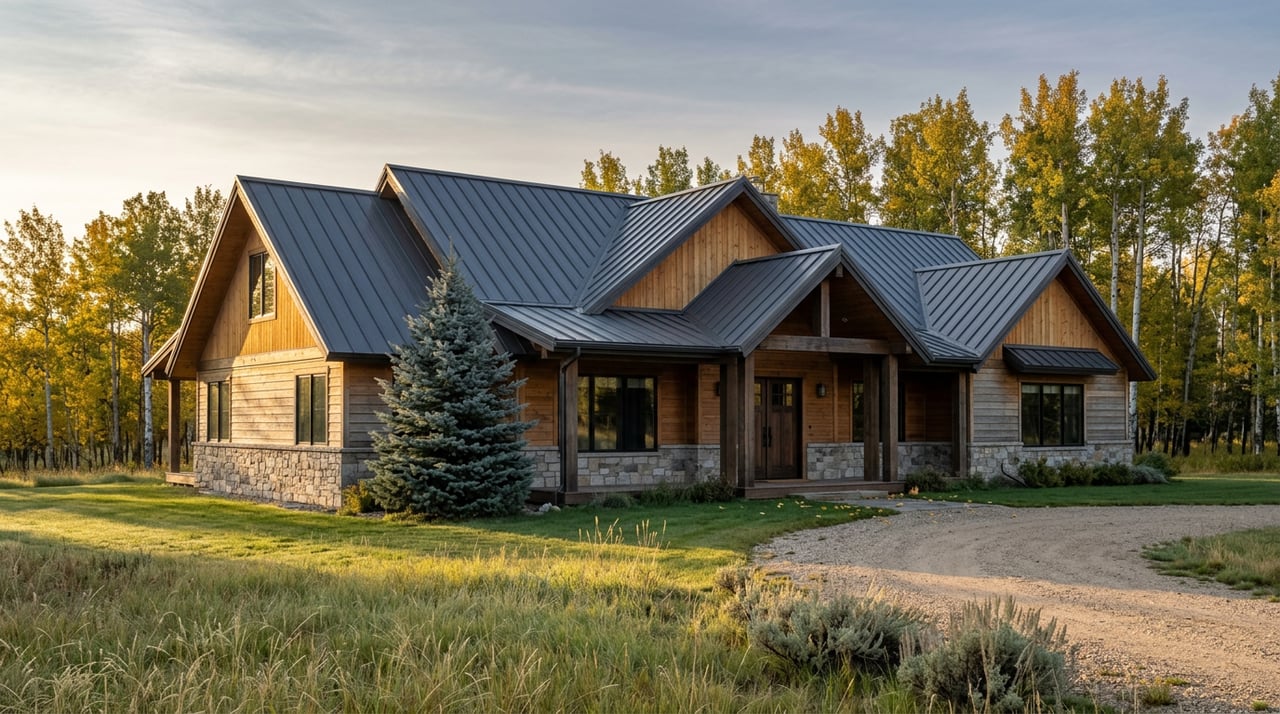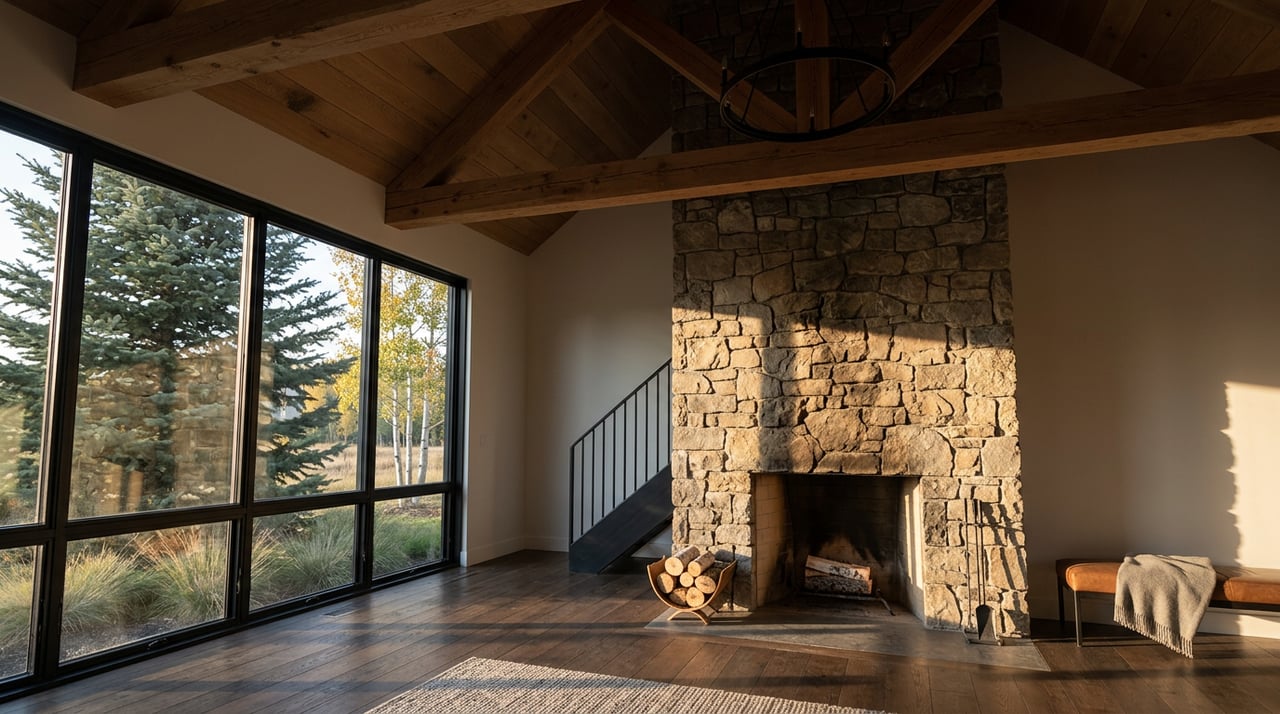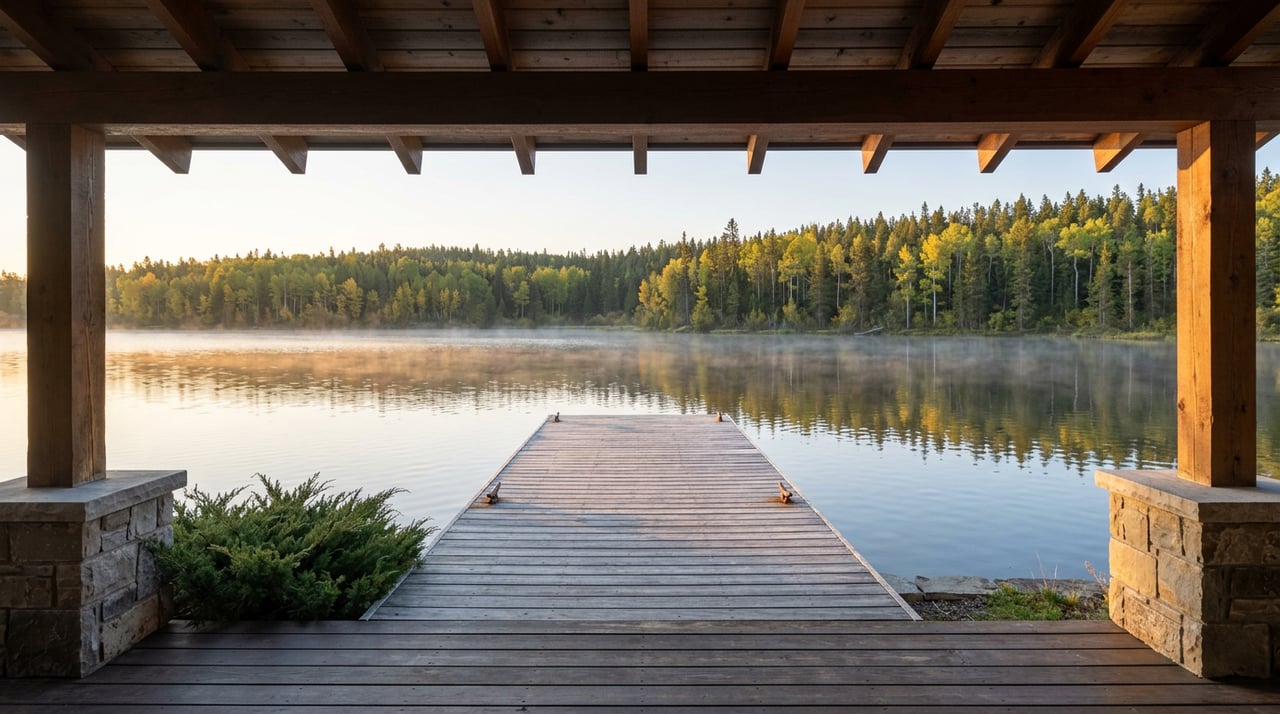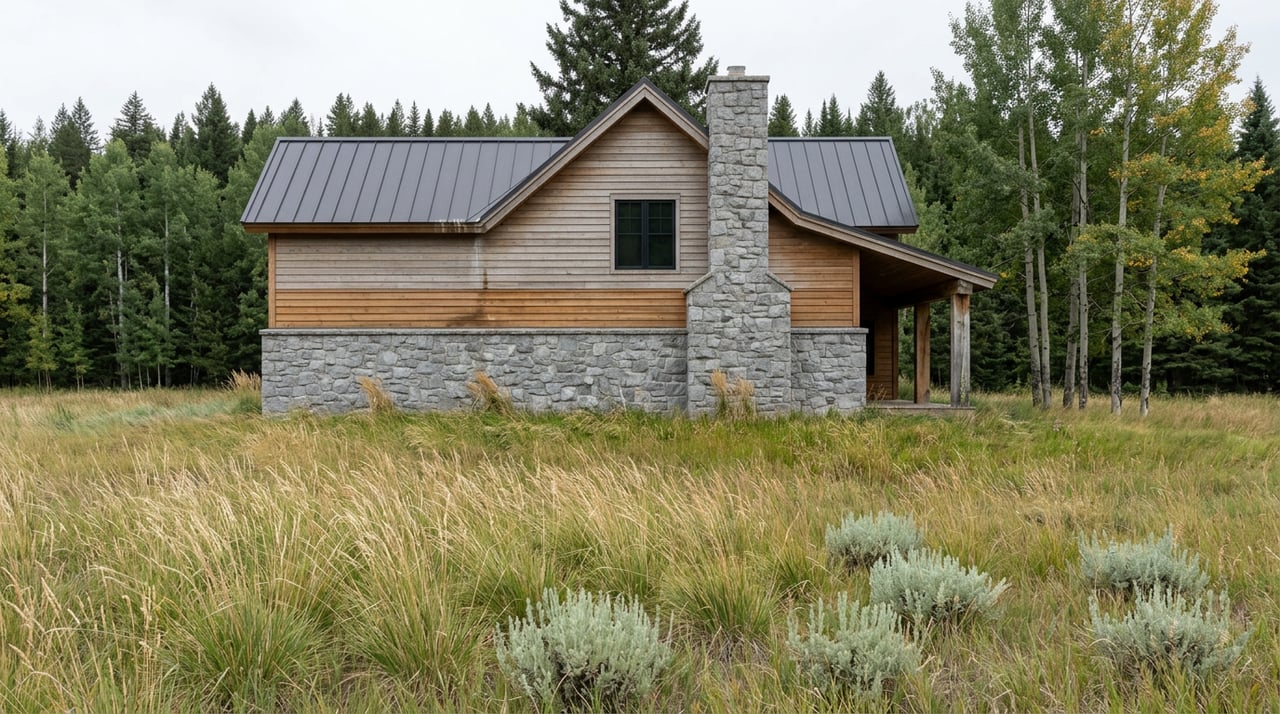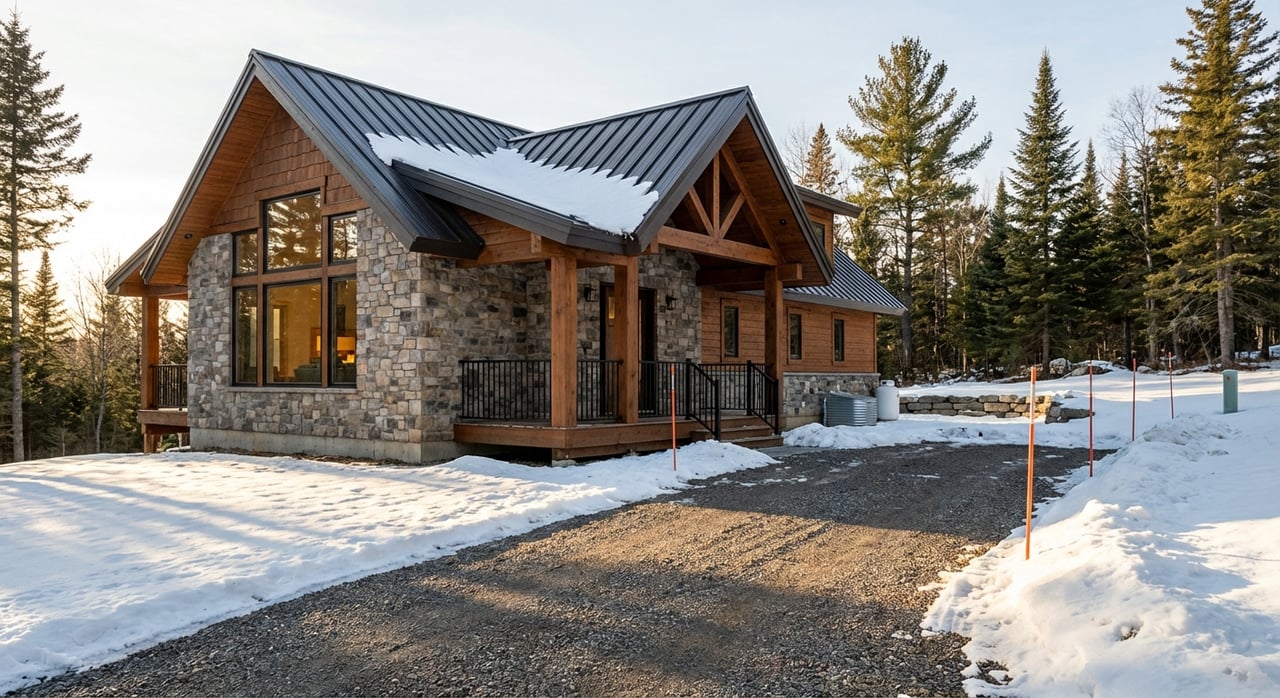
Dreaming of a quiet basecamp where you can glass elk at sunrise and be on public land in minutes? If Bondurant is on your radar, you’re looking in the right place. The Hoback corridor offers big-country scenery, real privacy, and direct access to national forest, but buying a hunting or recreation cabin here comes with a few local quirks. In this guide, you’ll learn what to confirm about road access, wells and septic, seasonal use, rental rules, and wildlife so you can buy with confidence. Let’s dive in.
Why Bondurant works for cabins
Bondurant sits between Pinedale and Jackson along US‑189/191 and is surrounded by Bridger‑Teton National Forest and the Gros Ventre backcountry. Sublette County notes that the region is about 80% public land, which is a major reason you can find cabins with quick trail and forest access here. You can often be at a trailhead or hunting spot within minutes of leaving the driveway.
Driving distances are practical for supply runs and airport access. Plan roughly 40 to 45 miles to Pinedale and about 40 to 60 miles to Jackson, depending on your exact location and route. Because winter conditions change travel times, test the drive in the same season you plan to use the cabin most.
Access and winter plowing
Year-round access is the first thing to confirm. The US‑189/191 corridor through Bondurant is a state highway plowed and maintained by WYDOT, and you can check conditions on the US‑191 camera route before you travel. Do not assume the same level of maintenance for private subdivision roads, long driveways, or Forest Service roads that branch off the highway.
Many forest and back roads have seasonal closures or are not plowed in winter. Bridger‑Teton National Forest posts active alerts and winter travel orders that affect motorized use, camping limits, and road status. Some cabin listings in the area are advertised as three-season access, with winter arrival by snowmobile or track vehicle only. If you want true year-round use, verify it in writing.
Access checklist to use on every tour
- Confirm who plows what. WYDOT handles the state highway, but county roads, HOA lanes, and private drives vary. Ask for written policies or service agreements and request recent winter photos of the approach road.
- Identify every road segment between the highway and the parcel. If there are Forest Service segments, check current Bridger‑Teton alerts and seasonal closures.
- Ask the seller or agent for the latest winter arrival instructions. If the cabin was vacant, ask how water and heat were managed to avoid frozen pipes.
- Before closing, watch the WYDOT US‑191 camera feed during a storm cycle to understand plow frequency and typical conditions.
Wells and septic basics
Most rural cabins in Bondurant run on private wells and onsite septic. In Wyoming, groundwater wells are typically permitted through the State Engineer’s Office. Before you write an offer, request the well permit number, the driller’s log, any water test data, and confirmation of the well’s allowed use type.
Sublette County requires septic permits for new systems, replacements, or modifications and inspects systems before backfill. County guidance explains that shallow groundwater, bedrock, or poor soils may require an engineered mound or pressure system instead of a standard trench. Do not assume an older system can support expanded guest counts or rental use without review.
What to verify for water and wastewater
- Ask for the well permit number and driller’s log, plus any yield or water quality results, as outlined by the Wyoming State Engineer’s Office.
- Obtain the septic permit and plan, perc report, recent pump or inspection receipts, and the system’s permitted design flow in gallons per day from Sublette County Septic System Info.
- Match system capacity to your intended use. If you hope to host larger hunting parties or consider short-term rentals, confirm that the permitted design flow and bedroom count align with that plan.
Seasonal vs year-round use
Many “hunting cabins” started as seasonal buildings. If your goal is comfortable winter use, look closely at foundations, insulation, and heat. You want frost-appropriate construction, a code-compliant primary heat source, insulated and heat-taped water lines, and a plan for draining or maintaining systems when the cabin sits vacant.
Pull the file on permits early. Sublette County requires building permits for residential work and reviews septic and site conditions as part of the process. If the property is in an HOA or platted subdivision, request covenants and architectural guidelines up front so you understand any standards for additions or outbuildings.
Winterization and comfort questions
- What is the foundation type, and is there documented frost protection?
- What are the heat sources, fuel types, and service history?
- Are water lines insulated and heat-taped, and is there a shut-down checklist for winter vacancy?
- Are there recent permits or final inspections on file with Sublette County Building?
Utilities, internet, insurance
You will find a mix of grid-connected and off-grid cabins in Bondurant. If you need grid power, verify the service provider, where the line enters the parcel, and any easements that authorize lines across neighboring or public land. If the cabin is off-grid, review solar, battery, and generator specs along with propane storage and delivery access in winter.
Internet and cell coverage vary by address. Test data speeds on site, ask neighbors what works, and confirm options with your provider list. On insurance and lending, confirm early that your insurer accepts seasonal occupancy and any short-term rental plan. Some lenders also require year-round vehicle access for conventional loans.
Short-term rentals and taxes
If you are thinking about renting your cabin part-time, research rules and taxes before you buy. Wyoming imposes a state sales tax and a state lodging tax on short-term stays. Practical tax summaries cite a 4% statewide sales tax and a 5% statewide lodging tax as your baseline, with platform collection varying by provider. Hosts remain responsible for registering and filing as required.
Short-term rental rules vary by county and town in Wyoming. In nearby Teton County, residential units are subject to a minimum 31‑day rental standard that is actively enforced, which is one reason some buyers look to Bondurant instead. A countywide Sublette ordinance specific to short-term rentals was not located during this research, so treat that as a due-diligence item to confirm directly with Planning and Zoning and by checking any HOA covenants.
Before you buy with STR in mind
- Verify zoning, HOA rules, parking, trash service, and any inspection or licensing needs with Sublette County. Start with the county’s building and planning page for contacts.
- Match septic design flow and bedroom count to your expected guest capacity using Sublette County’s septic guidance.
- Review state tax obligations using this Wyoming lodging tax overview and confirm registration steps with the Department of Revenue.
- If you plan to attract Jackson-area visitors, study Teton County’s 31‑day rule and enforcement so your marketing and guest policies stay compliant across county lines.
Wildlife, hunting, safety
Bondurant is big-game country, with elk, mule deer, moose, and more in surrounding public lands. The Bridger‑Teton National Forest highlights hunting and shooting opportunities and is a primary launch point for many local outings. You are also in bear country, so plan for attractant management and secure food and waste per local guidance.
The Hoback and Gros Ventre areas are known for winter elk concentrations and feedgrounds managed by Wyoming Game and Fish. That seasonal activity can influence local traffic, nighttime noise, and wildlife presence near certain drainages. Ask neighbors about typical wildlife patterns and recent bear or predator incidents around the parcel you are considering.
Hunting and wildlife due diligence
- Confirm how you would access public land from the property and whether there are gates, private leases, or trailheads nearby. Study the Bridger‑Teton hunting and shooting overview, then match your plan to seasons and access rules.
- Review Wyoming Game & Fish guidance for the Hoback area and ask about local feedgrounds, migration corridors, and bear safety practices.
- Assess whether frequent wildlife presence would affect fencing, trash storage, outdoor cooking, or dog management at the property.
Your touring checklist
Bring this one-page framework when you visit listings so you can make fast, informed comparisons.
Access and roads
- Who plows the approach road and the driveway? Get it in writing. Check the WYDOT US‑191 cameras during storms.
- Are there Forest Service or seasonal county segments between the highway and the parcel? Check Bridger‑Teton alerts for closures.
- Are there recorded easements or shared-use agreements for private lanes and gates?
Water, septic, utilities
- Request the well permit number, driller log, and recent yield or water quality results per the State Engineer’s Office.
- Pull the septic permit, perc report, recent pump receipts, and the permitted design flow from Sublette County. Compare to your guest or family occupancy plan.
- Verify electrical service location and any easements. If off-grid, review solar, battery, generator, and propane details. Test internet and cell options on site.
Seasonal readiness
- Ask for building permits, final inspections, and any recent repairs through Sublette County Building.
- Confirm frost-appropriate foundations, adequate primary heat, and winterization steps for vacancy.
Regulatory and rental
- Call Planning and Zoning to confirm whether STRs are allowed or require inspections or licenses. Check HOA covenants for any restrictions.
- Register for state sales and lodging taxes if you plan to rent, referencing the Wyoming lodging tax overview.
Wildlife and hunting
- Identify your target public access points and confirm seasonal motorized rules from Bridger‑Teton’s hunting page.
- Review WGFD guidance for the Hoback area, including winter range and bear safety.
Next steps
If you are coming from out of the area, plan two visits when possible. See the approach roads in summer or fall, and again in winter if year-round access matters to you. Use WYDOT’s US‑191 cameras and Bridger‑Teton alerts to track conditions before you travel. Ask Sublette County Planning and Zoning to confirm any rental or permit questions in writing, and collect the well and septic files before you submit an offer.
When you are ready for on-the-ground guidance, local contacts, and a smooth process from offer to closing, reach out to Janelle Villalba. You will get practical, relationship-first help from a Sublette County agent who knows rural properties, can coordinate remote showings and inspections, and can advise on property management and tenant placement if you plan to rent.
FAQs
Is year-round access realistic for a Bondurant hunting cabin?
- Yes, for some parcels along or near the state highway, but many cabins sit behind seasonal or unplowed roads; verify who plows each road segment, review winter photos, and check Bridger‑Teton alerts for any seasonal restrictions.
How do Wyoming well permits work for a Bondurant cabin?
- Most wells are permitted through the Wyoming State Engineer’s Office; ask for the permit number, driller’s log, and any yield or water quality data, and confirm the allowed use type as described by the State Engineer’s Office.
What short-term rental rules apply in Sublette County versus Teton County?
- Teton County enforces a minimum 31‑day rental standard for residential units, while a clear countywide Sublette STR ordinance was not located in this research; call Sublette Planning and Zoning and check HOA covenants to confirm what is allowed, and register for state sales and lodging taxes if you plan to rent.
What should I check on a septic system before buying a cabin?
- Pull the septic permit, perc report, pump or inspection receipts, and the permitted design flow from Sublette County Septic System Info, then make sure capacity matches your planned occupancy and any rental use.
How does wildlife activity affect cabin ownership in Bondurant?
- Expect elk and other big game nearby and plan for bear-aware practices; review WGFD guidance, secure trash and attractants, and ask neighbors about typical wildlife patterns and seasonal feedgrounds or migration corridors near the property.