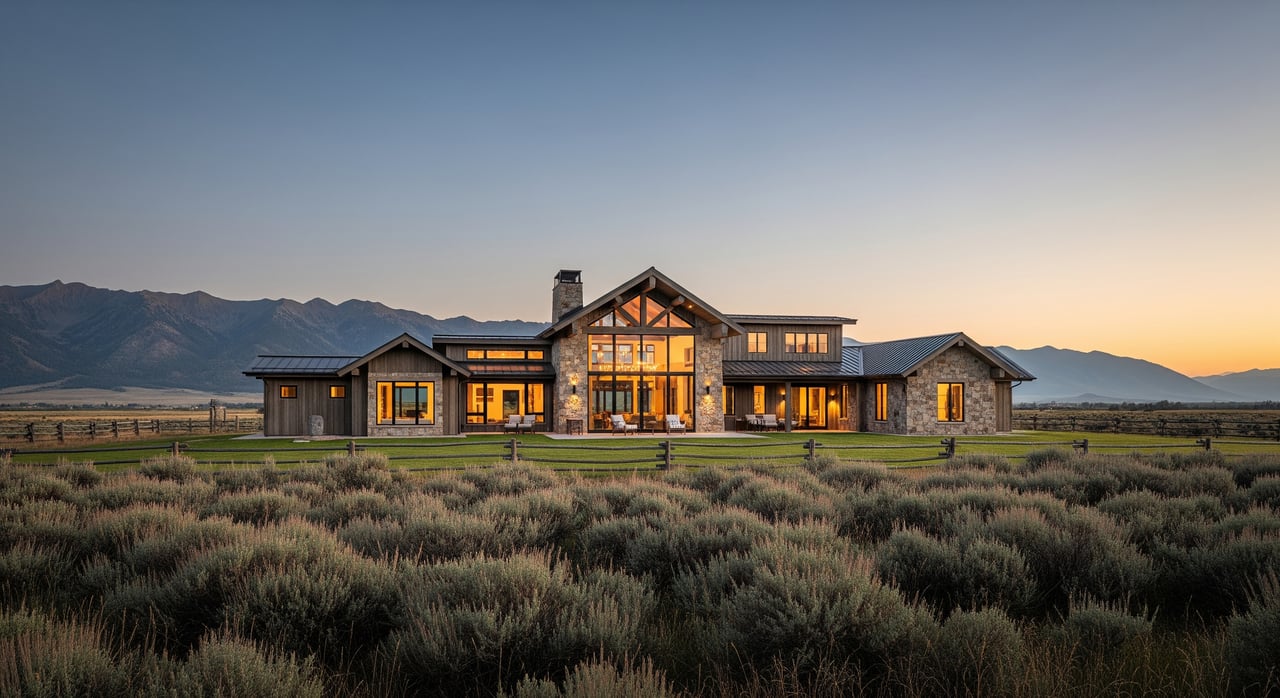
Not sure where to start when pricing your Daniel property this winter? You are not alone. Rural homes and small acreages in Sublette County are unique, and the usual city comp approach often falls short. In this guide, you’ll get a clear, step-by-step way to set a smart list price that reflects acreage, access, outbuildings, water rights, buyer demand, and the winter-to-spring market. Let’s dive in.
What drives value in Daniel
Land and acreage quality
Acreage has value, but not all acres contribute equally. Usable ground often carries more value than steep, wet, or inaccessible areas. Zoning, deed restrictions, or a conservation easement can shape the highest and best use, which affects pricing. Document usable acres and any restrictions so buyers and appraisers see the same picture you do.
Access and essential utilities
Year-round access is a major driver. County-maintained roads, plowing arrangements, and known spring-thaw conditions can shift price and buyer interest. Wells, septic systems, and heating sources (propane, wood, electric, solar) also matter. Buyers and lenders both want clear details and recent test results where possible.
Outbuildings and functional improvements
Barns, shops, corrals, and garages add value based on condition and utility. A functional shop or newer barn can carry meaningful contributory value. When you can, anchor that value to replacement cost minus depreciation, and note recent improvements or repairs.
Water rights, irrigation, and grazing
In Wyoming, water rights are real property and can be decisive for ranch or agricultural buyers. Confirm what rights exist and whether they transfer. Grazing allotments on federal land and mineral rights may sit outside the sale, so clarify what is included and what is not. Clear documentation reduces surprises and pricing risk.
Views, privacy, and recreation access
Mountain or valley views, proximity to streams, and access to trailheads, hunting, and fishing all influence price for amenity buyers. These are qualitative features, but they can be reflected as reasonable dollar adjustments when you compare sales.
Condition and maintenance
Overall condition shapes the buyer pool and potential financing options. Some older cabins or seasonal structures may not meet common loan standards. If you have upgrades, insulation work, roof improvements, or system replacements, gather receipts and dates to support value.
Winter-to-spring timing in Daniel
Winter can limit showings because of weather and access, but motivated buyers are still out there. Recreational and local buyers often remain active, and late winter listings can position you well for spring traffic. Be accurate about access and maintenance so you build trust from the start.
Pricing in winter may need to be a touch more competitive to drive activity. In spring, expect more eyes but also more questions as the thaw reveals drainage and access realities. Plan for flexible inspections and clear notes about road conditions, snow load history, and plowing.
Helpful winter tactics:
- Use clear, current photos and, if available, a small set from another season labeled by month.
- State road type and maintenance: county, private, or road district, and typical plowing.
- Offer flexible showings and a virtual tour to reach out-of-area buyers.
Know your likely buyer pool
Ranch and farm operators
These buyers focus on functionality: water rights, grazing or irrigation potential, fencing, working outbuildings, and contiguous parcels. Price should highlight operational value. Make sure utility and right-of-way details are documented and easy to review.
Recreational and amenity buyers
Privacy, scenery, and access to hunting, fishing, and trails can command a premium. These buyers may be less focused on square footage and more on setting. Photos and descriptions should lead with land, views, and lifestyle.
Second-home and remote workers
Turnkey cabins and homes with reliable internet and year-round access appeal here. Upgrades and low-maintenance setups can support stronger pricing. Be detailed about heating systems, insulation, and travel times to nearby towns.
Pricing to match intent
Set your list price and marketing to signal who the property best fits. Lead photos and first lines in your description should focus on the most valuable features for that buyer type.
A step-by-step pricing framework
Follow this practical process to build a defensible pricing range for a Daniel-area property.
Step 1: Gather baseline data
- Pull sold comps from Sublette County for the past 12 to 24 months. If sales are sparse, extend to 36 months with clear time adjustments.
- Include active and pending listings to assess your competition.
- Collect parcel data: acreage, structures, tax classification, and recent sale history.
Step 2: Select primary comps
- Choose 3 to 6 sales similar in use and location, ideally within 10 to 30 miles. Document why you expanded distance or time if needed.
- Record for each comp: sale date, price, acres (total and usable), outbuildings, utilities, road access, water rights, and condition.
Step 3: Make structured adjustments
Use a contributory value approach rather than flat percentages.
- Land: adjust for usable acreage and terrain.
- Outbuildings: apply a replacement cost minus depreciation estimate.
- Access: add or subtract for year-round county access vs seasonal or private.
- Water rights: account for rights that transfer and their utility.
- Condition and systems: factor upgrades for wells, septic, roof, heating.
- Views and recreation: add reasonable premiums where justified.
Capture the rationale for each adjustment. Clear notes make your pricing more credible with buyers and appraisers.
Step 4: Adjust for time and market movement
If comps are older than 6 to 12 months, apply a market factor based on local trend data. State the annualized rate you used and why. This helps align older sales with today’s conditions.
Step 5: Build a pricing band
Calculate three numbers:
- High: optimistic scenario with best-fit buyer and minimal concessions.
- Target: most likely value based on your adjusted comps.
- Low: minimum acceptable price after estimating costs and concessions.
Estimate your seller net at each point by subtracting likely fees and closing costs. This range guides both list price and negotiation strategy.
Step 6: Match list strategy to demand
- Thin or slower market: consider the lower end of your target band to pull in more showings.
- Strong demand: list at or slightly above target and prepare for multiple offers.
- Winter listing: price to reflect lower traffic unless your marketing targets active winter buyers.
Step 7: Plan contingencies and levers
Expect longer inspection windows around the spring thaw. Identify non-price terms that can bridge gaps, such as recent well and septic reports, included equipment, or a portion of snow removal through closing.
Simple comp worksheet
Use this quick outline to organize your comps:
- Comp sale price and date
- Adjustments: acreage, access, outbuildings, water rights, condition, utilities, views
- Dollar amount per adjustment with a short rationale
- Adjusted comp price
- Repeat for 3 to 6 comps and average the adjusted results
- Apply time/market factor
- Set high, target, low price and estimate seller net
Appraisal, financing, and legal checks
Appraisal and lender needs
Rural appraisals rely on comparable sales. When sales are scarce, appraisers may be conservative. Help by providing your documentation: receipts for upgrades, recent well and septic tests, surveys, and any water-rights records.
Financing options to consider
USDA Rural Development, FHA, and VA loans have property standards that may not fit rustic or seasonal structures. Conventional financing may be more workable for atypical homes or seasonal access. Knowing likely financing types helps you anticipate appraisal and condition questions.
Title, access, and disclosures
Clarify deeded or easement access, road maintenance responsibilities, and any HOA or road district details. Disclose water-right transfers, mineral-right status, and any encumbrances found in a title search. Clear disclosures protect your price and timeline.
Listing and showing logistics
State travel times to Pinedale or Big Piney, road type, and seasonal access patterns. If access is private or seasonal, note showing protocols and any need for owner escort. This saves time and sets expectations.
Inspection timing around thaw
Spring thaw can reveal drainage, driveway, and foundation issues. Consider pre-listing checks on well, septic, roof, and basic systems so buyers feel confident and you control the narrative.
Listing details that reduce doubt
Consider adding clear statements like these to your listing:
- Access: “Maintained county road to driveway; private driveway plowed in winter by owner.”
- Utilities: “Private well and septic; latest well flow test and septic inspection available upon request.”
- Water rights: “Irrigation rights to be conveyed per recorded documents; details on file.”
- Seasonal note: “Photos include late summer images for context; all seasonal photos labeled by month.”
Small details like these build trust and support your price.
Ready to price with confidence?
If you want a pricing range backed by local comps, a clear adjustments worksheet, and a winter-to-spring marketing plan, let’s talk. With deep Sublette County knowledge and modern digital reach, Janelle Villalba will help you position your Daniel property for the right buyers and the right price.
FAQs
How should I price a Daniel home with seasonal road access?
- Start with nearby comps and apply a dollar adjustment for access differences, disclose maintenance details, and be prepared for longer showing and inspection timelines in winter and spring.
Do outbuildings add much value in Sublette County?
- Yes, when they are functional and in good condition. Estimate value using replacement cost minus depreciation and document recent repairs or upgrades.
How do water rights affect my list price in Wyoming?
- Transferable rights can add meaningful value for ranch buyers. Confirm rights and include documentation so appraisers and buyers can quantify the benefit.
Is winter a bad time to list in Daniel?
- Not necessarily. You may see fewer showings, but motivated buyers remain active. Competitive pricing and clear access information can produce solid results ahead of spring.
What if there aren’t many recent comps near Daniel?
- Expand your search window to 12 to 36 months and include nearby Sublette County areas. Apply time and location adjustments and document your reasoning.
Which loans work best for rural or rustic properties?
- USDA, FHA, and VA have standards that may not fit very rustic or seasonal homes. Conventional loans are often more flexible for unique rural properties.