Are you sorting out whether you need a CMA or a licensed appraisal before you sell in Pinedale? You are not alone. In a rural market with acreage, outbuildings, and unique features, getting value right can feel tricky. This guide explains the differences, when each option fits, and how to prepare so you get a strong, defensible price. Let’s dive in.
CMA vs. appraisal: what they are
Comparative Market Analysis (CMA)
A CMA is an agent’s opinion of value based on recent sales, active and pending listings, and local market knowledge. You use it to set a listing price and shape your marketing and negotiation plan. A CMA is not an appraisal, and it should never be represented as one.
Licensed appraisal
An appraisal is a formal opinion of value prepared by a state-licensed or certified appraiser who follows professional standards. Lenders require appraisals for most mortgages and refinances, and they are often needed for tax, estate, or legal matters. Appraisals are designed to be independent and defensible in underwriting or court settings.
Key differences that matter in Pinedale
Standards and independence
- Appraisals follow professional standards and lender or investor rules, and the appraiser acts as an independent third party.
- CMAs do not have a single national standard. The scope and methods vary by agent and brokerage tools.
Scope and inspection
- Appraisals usually include an on-site inspection, a market and neighborhood analysis, and a formal report using recognized approaches to value.
- CMAs rely on selected comparable sales and listings with agent adjustments and commentary. They typically do not include a full inspection or a standardized format.
Documentation and acceptance
- Appraisals produce a formal report that lenders and courts can rely on. Appraisers keep work files and must support their conclusions.
- CMAs are client-facing reports for pricing and marketing. They are not accepted by lenders or in most legal proceedings.
Cost and timeline
- CMAs are often provided at no cost as part of a pre-listing service, with a quick turnaround, sometimes within 24 to 72 hours.
- Appraisals involve a fee and take longer to schedule and complete, especially in rural or complex property cases. Expect anywhere from several days to a few weeks depending on appraiser availability and property complexity.
When to use each
Use a CMA when
- You want to set a smart listing price for a Pinedale-area home.
- You need a quick read on the market and a strategy for marketing and negotiations.
- You are deciding which improvements to make before listing.
- You want to compare perspectives by getting CMAs from 2 to 3 local agents.
Use an appraisal when
- You are refinancing, getting a purchase mortgage, or using FHA or VA financing.
- You need an independent, defensible value for estate, tax appeal, divorce, or litigation matters.
- Your property is unique or comps are thin, and you want a documented pre-listing value for pricing confidence.
- A cash buyer requests independent assurance.
Hybrid options you can consider
- Pre-listing appraisal: Order an appraisal before you list to support your price and strengthen buyer confidence.
- Broker Price Opinion: In some cases a broker may provide a more formal opinion than a quick CMA, though it is still not an appraisal.
- AVMs or online estimates: Use only for rough trends. They are often inaccurate in rural Pinedale due to limited data and unique property features.
Local factors that move value in Pinedale
- Thin comparable pool: Smaller markets mean fewer recent sales. You may see comps pulled from a wider radius or older sales, and adjustments may be larger.
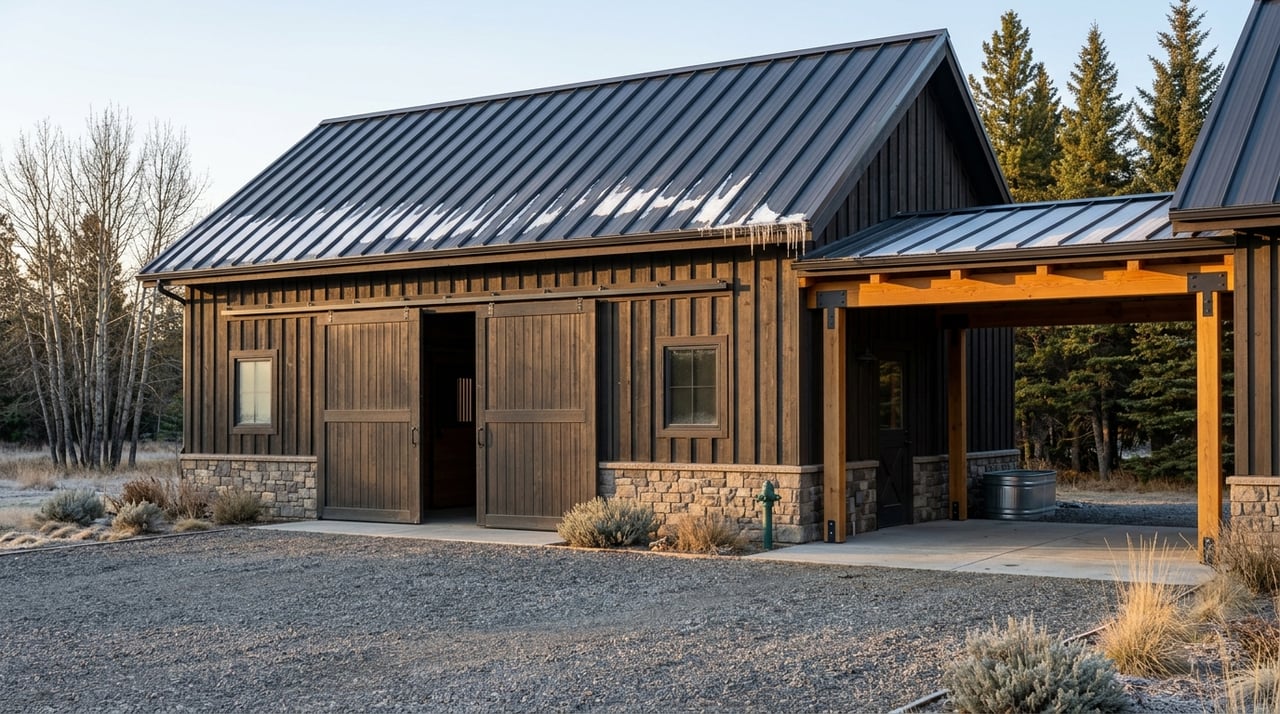
- Acreage and outbuildings: Barns, shops, fenced pasture, and equipment sheds materially affect marketability and value. Accurate measurements and condition notes help.
- Mineral rights and energy influences: Ownership of mineral rights, existing leases, or royalties can influence demand and value. Be ready to document what conveys.
- Recreation and amenities: Proximity to national forest or trail access may increase appeal for certain buyers, including second-home or lifestyle purchasers.
- Infrastructure and utilities: Well and septic details, road maintenance, and winter access matter to buyers and lenders. Documentation helps valuation and underwriting.
- Condition and cost to cure: Log homes and cabins are common. Deferred maintenance and code issues can weigh on value and lending options.
How to prepare for either valuation
Gather documentation
- Deed and survey, including mineral interest information.
- Tax records, recent utility bills, and HOA or road maintenance agreements if applicable.
- Well and water tests, septic permits or inspections, and permits for additions.
- Records of major repairs, energy upgrades, and warranties.
Quick fixes worth doing
- Address safety and code items first, such as electrical hazards, roof leaks, or unstable decks.
- Complete cost-effective refreshes like paint, deep cleaning, fixture replacements, and basic curb appeal.
- Organize service records for systems like the furnace, well pump, and septic.
Rural specifics checklist
- Provide winter access history and any road maintenance agreements.
- Document well and septic service and testing.
- List outbuildings, acreage details, and use history, such as fencing and pasture.
- Clarify mineral rights ownership and any leases or royalties.
Pricing strategy tips for Pinedale sellers
- Start with a professional CMA to understand likely buyer behavior and to set a price range tailored to your property’s features.
- Consider a pre-listing appraisal if your home is unusual, includes significant acreage or outbuildings, or if comps are scarce. This can support your price and reduce renegotiation risk.
- If you receive wildly different CMAs, review the chosen comparables and adjustments. Ask each professional to explain their approach and the tradeoffs in a thin-data market.
- Treat online estimates as conversation starters, not decision-makers.
Common mistakes to avoid
- Relying on an online estimate for pricing in a rural market with limited data.
- Understating or omitting mineral rights details that affect value and buyer interest.
- Skipping safety or code fixes that can hold up lending or turn off buyers.
- Making the property hard to access for inspections or appraisals.
- Ignoring road maintenance and winter access documentation.
What to expect on timing
- A thorough CMA can often be ready in 1 to 3 days, depending on data and property complexity.
- An appraisal can take several days to a few weeks, especially if scheduling is tight or your property is complex or remote.
- Build in time for repairs, documentation gathering, and follow-up questions from the appraiser or your agent.
The bottom line for Pinedale sellers
A CMA and an appraisal are both valuable, but they serve different purposes. Use a CMA to set your listing price and strategy, and use an appraisal when you need an independent valuation for lending or legal needs, or for extra confidence on a unique property. In a market like Pinedale, preparation and documentation are your best tools to support value and keep your sale on track.
If you want a local, process-first plan tailored to Sublette County’s rural market, connect with Janelle Villalba for a free, professional CMA and guidance on whether a pre-listing appraisal makes sense for your property.
FAQs
Will a lender accept a CMA for my Pinedale home?
- No. Lenders require a licensed appraisal for purchase loans, refinances, and most home equity products.
Is a pre-listing appraisal worth it in a rural market?
- Often yes, especially if comps are scarce or your property is unique with acreage, outbuildings, or mineral interests.
How long does an appraisal take in Sublette County?
- Timing varies by complexity and appraiser availability. Expect several days to a few weeks from order to delivery.
Who usually pays for the appraisal in a sale?
- In most purchases the buyer or lender pays as part of loan costs. For pre-listing or legal matters, the requesting party typically pays.
Can an appraiser rely on my agent’s CMA?
- Appraisers may review CMAs, but they must form their own independent opinion and follow professional standards.
What if my property has mineral rights or leases?
- Provide documentation on ownership, leases, and any royalties. These details can influence demand, valuation, and contract terms.